Exceptional Versatility and Material Compatibility
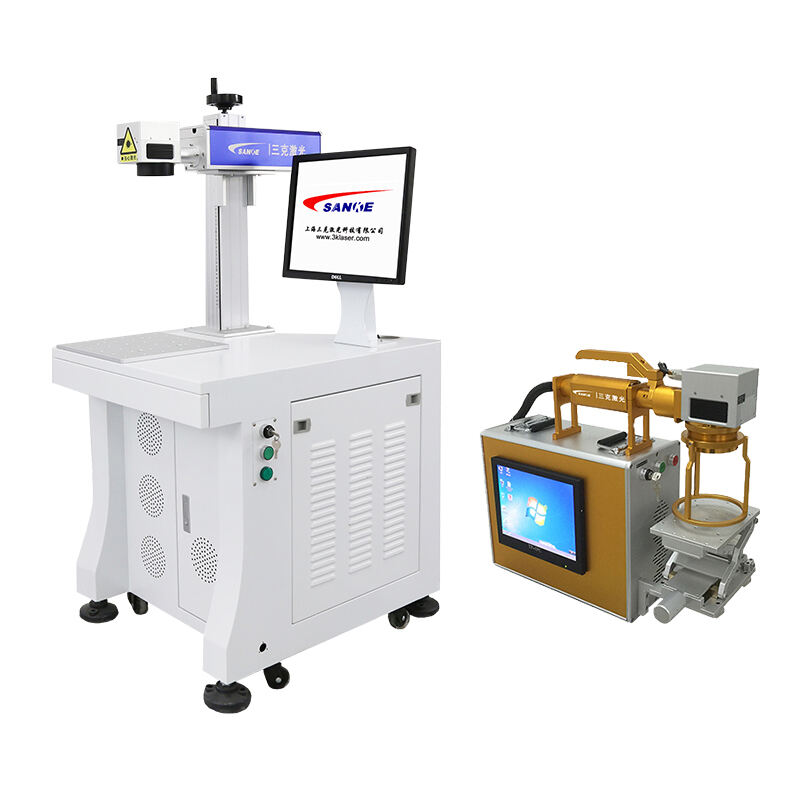
The hand held laser welding machine price encompasses remarkable versatility that enables welding across an extensive range of materials and applications, making these systems invaluable for diverse manufacturing operations. These advanced systems excel at welding dissimilar materials that pose significant challenges for traditional welding methods, including combinations of stainless steel to aluminum, titanium to steel, and various exotic alloy combinations. The hand held laser welding machine price reflects sophisticated beam control systems that automatically adjust parameters based on material properties, ensuring optimal penetration and fusion characteristics for each specific application. The versatility extends to thickness ranges from ultra-thin foils measuring fractions of a millimeter to substantial structural components several millimeters thick, all achievable with a single system configuration. Complex geometries and hard-to-reach areas become accessible through the flexible delivery systems and compact welding heads that can navigate confined spaces where traditional welding torches cannot operate effectively. The hand held laser welding machine price includes multiple welding modes including pulsed welding for heat-sensitive materials, continuous welding for high-speed production, and spot welding for precise component assembly. Material compatibility encompasses carbon steels, stainless steels, aluminum alloys, titanium, copper, brass, and specialized alloys used in aerospace and medical applications. The systems can effectively weld reflective materials like aluminum and copper that traditionally require specialized techniques and equipment. Coating compatibility allows welding of galvanized, painted, or otherwise surface-treated materials without extensive preparation, significantly reducing processing time and labor costs. The hand held laser welding machine price reflects advanced focusing systems that accommodate various joint configurations including butt joints, fillet welds, overlap joints, and complex three-dimensional seams. Welding positions range from flat and horizontal to vertical and overhead, providing complete positional flexibility for complex assemblies. The systems excel at welding thin-walled components without burn-through risk, making them ideal for automotive body panels, appliance manufacturing, and precision instrument fabrication. Heat input control prevents distortion in heat-sensitive assemblies while maintaining full penetration and joint strength requirements.
 EN
EN
 AR
AR
 FR
FR
 DE
DE
 JA
JA
 KO
KO
 RU
RU
 ES
ES