beamexpander-0

Professional Beam-Expander Solutions - Precision Laser Beam Control Technology

Get a Free Quote

Our representative will contact you soon.
Email
Name
Company Name
Message
0/1000

beam-expander

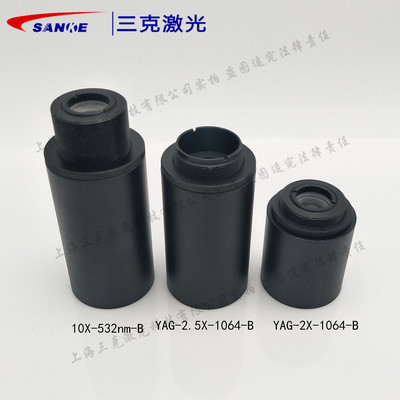
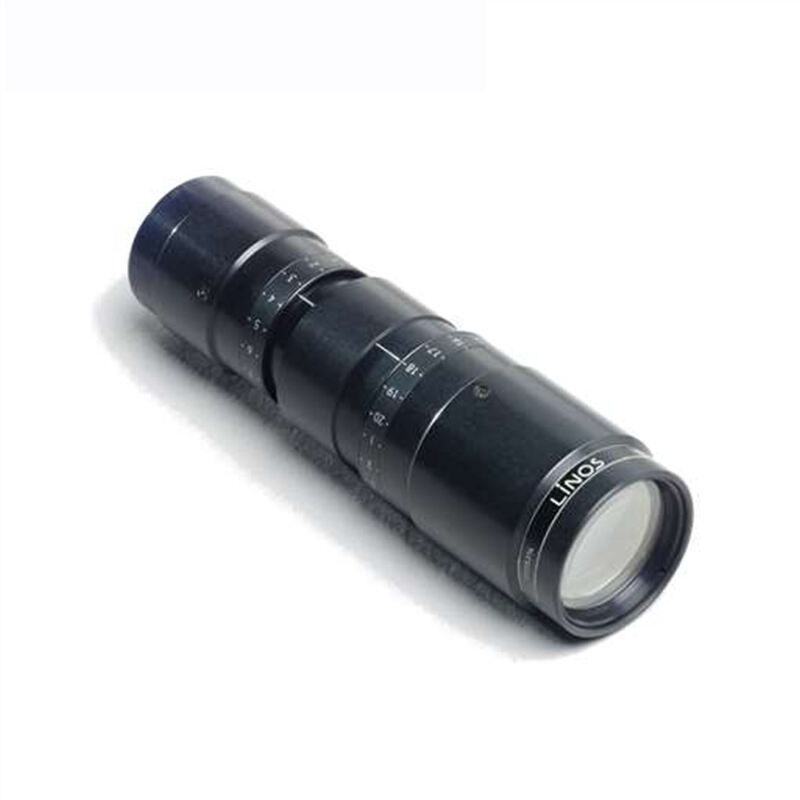
A beam-expander is a sophisticated optical device designed to increase the diameter of laser beams while maintaining their collimation and beam quality. This essential component serves as a critical tool in numerous laser applications where precise beam control and modification are required. The beam-expander operates on fundamental optical principles, utilizing carefully arranged lens systems to achieve controlled beam diameter expansion without compromising the integrity of the original laser characteristics. The primary function of a beam-expander involves transforming a narrow laser beam into a wider, parallel beam through strategic optical magnification. This process occurs through either Galilean or Keplerian telescope configurations, each offering distinct advantages depending on specific application requirements. Galilean beam-expanders employ a negative input lens followed by a positive output lens, creating a compact design with no intermediate focus point. Keplerian systems utilize two positive lenses, generating an intermediate focus that enables spatial filtering capabilities. Modern beam-expander technology incorporates advanced anti-reflection coatings, precision-manufactured optical elements, and robust mechanical housings to ensure optimal performance across diverse operating conditions. These devices feature adjustable magnification ratios, typically ranging from 2x to 20x expansion factors, allowing users to customize beam characteristics according to specific project needs. The technological sophistication of contemporary beam-expanders includes temperature-compensated designs, vibration-resistant construction, and wavelength-specific optimization for various laser types including visible, near-infrared, and ultraviolet sources. Applications for beam-expanders span multiple industries and scientific disciplines. In laser cutting and welding operations, these devices optimize beam delivery for enhanced processing efficiency and material quality. Scientific research facilities utilize beam-expanders for spectroscopy, interferometry, and precision measurement applications. Medical laser systems incorporate these components for controlled tissue treatment and surgical procedures. Industrial manufacturing processes benefit from beam-expander integration in marking, engraving, and surface treatment applications, where precise beam control directly impacts product quality and production efficiency.

New Products

Beam-expanders deliver substantial performance improvements that directly translate into measurable benefits for users across various applications. These optical devices enhance laser beam quality by reducing divergence angles, resulting in tighter focus capabilities and improved power density control at target locations. Users experience significant improvements in processing accuracy when incorporating beam-expanders into their laser systems, as the expanded beam diameter provides better spatial resolution and reduced edge effects during material processing operations. The enhanced beam uniformity achieved through proper beam expansion eliminates hot spots and intensity variations that commonly plague unexpanded laser beams, leading to more consistent results and reduced material waste. Manufacturing operations benefit from increased working distances that beam-expanders enable, allowing operators to position laser heads further from workpieces while maintaining effective processing power. This increased standoff distance improves safety conditions, reduces contamination risks, and provides better access for monitoring and quality control procedures. The improved beam collimation characteristics offered by beam-expanders result in extended Rayleigh ranges, enabling consistent processing over longer focal depths and reducing the precision requirements for workpiece positioning systems. Economic advantages emerge through reduced maintenance requirements and extended component lifespans when beam-expanders are properly integrated into laser systems. The improved beam quality reduces thermal stress on downstream optical components, decreasing replacement frequencies and maintenance costs. Production efficiency increases significantly as beam-expanders enable faster processing speeds through optimized power distribution and reduced thermal effects on processed materials. Quality improvements directly impact customer satisfaction and reduce rework requirements, contributing to overall operational profitability. Flexibility represents another crucial advantage, as beam-expanders allow single laser systems to accommodate multiple application requirements through adjustable expansion ratios. This versatility eliminates the need for multiple specialized laser systems, reducing capital equipment investments and facility space requirements. The standardization possibilities offered by beam-expanders enable organizations to streamline their optical component inventories and maintenance procedures across multiple laser installations. Research and development activities benefit from the enhanced experimental capabilities that beam-expanders provide, enabling scientists and engineers to explore new applications and optimize existing processes with greater precision and control than previously achievable with unexpanded laser beams.

Latest News

How do handheld laser cleaning machines contribute to environmentally friendly cleaning practices?

19

Nov

How do handheld laser cleaning machines contribute to environmentally friendly cleaning practices?

Modern industrial cleaning practices are undergoing a revolutionary transformation as companies seek more sustainable and environmentally conscious solutions. Traditional cleaning methods often rely on harsh chemicals, abrasive materials, and process...
View More
What are the advantages of using a laser welding machine over traditional welding methods?

19

Nov

What are the advantages of using a laser welding machine over traditional welding methods?

Modern manufacturing processes continue to evolve with technological advancements, and welding technology stands at the forefront of this transformation. Among the most significant developments in recent years is the emergence of the laser welding ma...
View More
How can laser welding be applied to different materials, and what are the challenges?

19

Nov

How can laser welding be applied to different materials, and what are the challenges?

Laser welding has revolutionized modern manufacturing processes by offering unprecedented precision and versatility in joining various materials. This advanced technique utilizes focused laser beams to create high-quality welds with minimal heat-affe...
View More
How Does the Power Output of a Laser Source Affect Its Performance?

22

Sep

How Does the Power Output of a Laser Source Affect Its Performance?

Understanding the Critical Role of Power Output in Laser Applications The relationship between a laser source and its power output fundamentally shapes the capabilities and effectiveness of laser systems across countless applications. From industrial...
View More

Get a Free Quote

Our representative will contact you soon.
Email
Name
Company Name
Message
0/1000

beam-expander

Precision Beam Control and Quality Enhancement

Precision Beam Control and Quality Enhancement

The most significant advantage of implementing a beam-expander lies in its ability to provide unparalleled precision in laser beam control while simultaneously enhancing overall beam quality characteristics. This optical device transforms irregular or poorly collimated laser output into highly uniform, precisely controlled beams that meet the demanding requirements of modern industrial and scientific applications. The beam-expander achieves this transformation through sophisticated optical design principles that maintain the fundamental coherence properties of the original laser while improving spatial characteristics that directly impact application performance. When laser beams pass through the carefully calibrated lens system of a beam-expander, several critical improvements occur simultaneously. The device reduces beam divergence to near-theoretical limits, creating highly collimated output that maintains consistent diameter over extended distances. This improved collimation translates directly into enhanced focusing capabilities, allowing users to achieve smaller spot sizes and higher power densities at target locations than possible with unexpanded beams. The spatial uniformity improvements are equally impressive, as the beam-expander effectively redistributes energy across the expanded beam cross-section, eliminating the irregular intensity patterns and hot spots commonly associated with raw laser output. Manufacturing operations particularly benefit from these quality enhancements, as the improved beam characteristics enable more precise material processing with reduced heat-affected zones and improved edge quality. The enhanced spatial coherence provided by beam-expanders facilitates better interference patterns in holographic applications and improved measurement accuracy in interferometric systems. Medical applications leverage the improved beam quality for more controlled tissue interactions and reduced collateral damage during surgical procedures. Scientific research benefits from the enhanced measurement precision and experimental repeatability that high-quality expanded beams provide. The economic implications of these quality improvements extend throughout entire production chains, as superior beam characteristics reduce material waste, minimize rework requirements, and enable faster processing speeds without compromising output quality standards that customers expect in today's competitive marketplace.
Versatile Magnification and Customizable Performance

Versatile Magnification and Customizable Performance

Modern beam-expander systems offer exceptional versatility through adjustable magnification ratios and customizable performance characteristics that adapt to diverse application requirements without requiring multiple specialized optical systems. This flexibility represents a fundamental shift from fixed optical configurations toward dynamic systems that can be optimized for specific tasks while maintaining the ability to accommodate changing operational needs. The adjustable magnification capability typically ranges from 2x to 20x expansion factors, with some specialized systems offering even greater ranges for unique applications. This broad adjustment range enables users to optimize beam characteristics for specific processing requirements, material types, and geometric constraints that vary across different projects and applications. The beam-expander achieves this versatility through precision mechanical systems that maintain optical alignment and beam quality throughout the adjustment range. High-quality beam-expanders incorporate sophisticated positioning mechanisms that ensure repeatable performance and maintain calibration accuracy across multiple adjustment cycles. The customization possibilities extend beyond simple magnification adjustments to include wavelength optimization, coating selections, and mechanical interface options that integrate seamlessly with existing laser systems and automation equipment. Temperature compensation features ensure consistent performance across varying environmental conditions, while modular designs enable field upgrades and configuration changes without requiring complete system replacement. Industrial users particularly appreciate the ability to configure beam-expanders for multiple product lines or processing requirements using single laser installations, maximizing equipment utilization while minimizing capital investments. Research facilities benefit from the experimental flexibility that adjustable beam-expanders provide, enabling investigators to optimize beam parameters for specific experimental conditions and explore new application possibilities. The economic advantages of this versatility compound over time, as organizations can adapt existing equipment to new applications rather than purchasing additional specialized systems. Maintenance benefits emerge through standardized component interfaces and simplified inventory requirements when multiple applications utilize common beam-expander platforms with different configuration settings rather than entirely different optical systems for each specific application requirement.
Enhanced Safety and Operational Efficiency

Enhanced Safety and Operational Efficiency

The integration of beam-expanders into laser systems creates substantial improvements in operational safety while simultaneously enhancing overall system efficiency through optimized beam delivery and reduced operational complexity. Safety enhancements occur through multiple mechanisms that address both direct laser exposure risks and indirect hazards associated with laser processing operations. The increased working distances that beam-expanders enable allow operators to position laser sources further from processing locations while maintaining effective power delivery, reducing exposure risks and improving access for monitoring and maintenance activities. The improved beam collimation characteristics minimize stray light and reduce reflection hazards that commonly occur with poorly controlled laser beams in industrial environments. Operational efficiency improvements manifest through enhanced processing capabilities that reduce cycle times while improving output quality consistency. The superior beam control provided by beam-expanders enables higher processing speeds without compromising quality standards, as the uniform energy distribution eliminates the irregular heating patterns that can cause material damage or processing defects. Reduced thermal stress on optical components downstream from the beam-expander results in extended component lifespans and decreased maintenance requirements, contributing to improved system uptime and reduced operational costs. The enhanced predictability of expanded beam characteristics simplifies process optimization and reduces the experimental time required to achieve desired results in new applications. Automation integration becomes more straightforward when beam-expanders provide consistent, predictable beam characteristics that enable reliable process control without constant manual adjustments. Quality control benefits emerge through improved process repeatability and reduced variation in output characteristics, enabling tighter specification compliance and reduced inspection requirements. Environmental benefits include reduced energy consumption per processed unit due to improved efficiency, and decreased waste generation through enhanced processing precision. Training requirements decrease as beam-expanders simplify laser operation by providing more forgiving alignment tolerances and more predictable processing results. The cumulative effect of these safety and efficiency improvements creates substantial competitive advantages for organizations that implement beam-expander technology, resulting in improved profitability, enhanced worker safety, and superior customer satisfaction through consistent high-quality output that meets or exceeds specification requirements across diverse application scenarios.

Get a Free Quote

Our representative will contact you soon.
Email
Name
Company Name
Message
0/1000