 EN
 AR
 FR
 DE
 JA
 KO
 RU
 ES


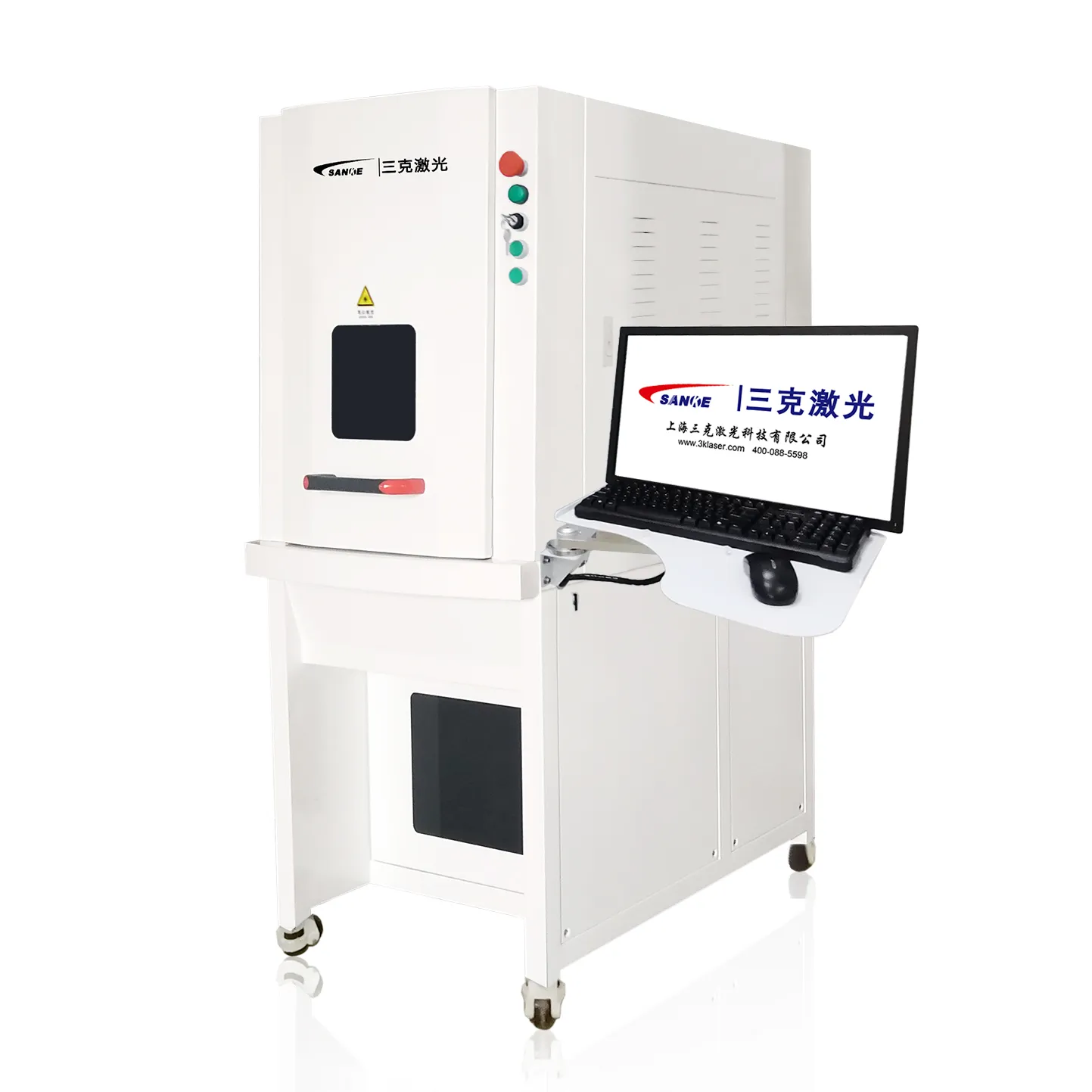
Aerospace drilling demands more than a small, clean hole. Component geometry, material condition, access, and inspection requirements all influence whether a process is suitable. A Laser Drilling machine can support precise hole production, but the right solution depends on defining the part, process window, and acceptance criteria before choosing equipment.
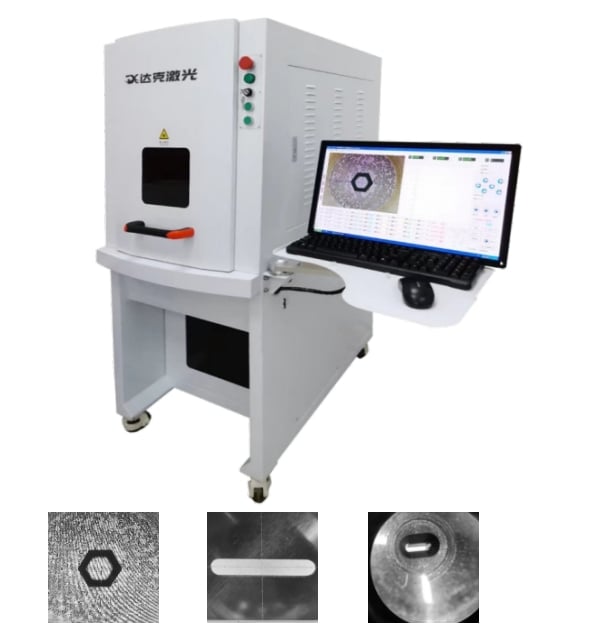
This guide focuses on how to plan an aerospace laser drilling solution and set it up for repeatable production. It explains the decisions that shape a Laser Drilling machine configuration, from material trials and fixturing to parameter control and verification, so engineering and manufacturing teams can develop a practical setup around actual part needs.
Define the aerospace drilling requirement
Translate the part drawing into process targets
Start by converting the drawing and specification into measurable targets: hole diameter, depth, angle, position, edge condition, and allowable variation. A Laser Drilling machine should be assessed against these requirements rather than a general promise of precision. Include the number of holes, their spacing, and the access available to the beam, since each can affect cycle planning and part handling.
Material details matter just as much. Record alloy or material grade, thickness, coatings, surface condition, and any layered construction, then identify representative samples for trials. The Laser Drilling machine process window may change with these factors, so testing only a convenient coupon can misrepresent production behavior. Define inspection methods early, including how the team will assess entry and exit geometry.
Account for aerospace materials and part geometry
Aerospace parts may combine thin walls, curved surfaces, and closely spaced features with materials that respond differently to heat. A Laser Drilling machine setup must therefore consider local support, beam approach, and the risk of affecting nearby features. For angled or contoured surfaces, determine whether the part, optics, or both need controlled movement to maintain the intended drilling direction.
Use the part family to decide whether a flexible work area or a dedicated fixture is appropriate. A Laser Drilling machine can be configured around repeatable reference points, but the fixture must avoid obstructing the beam and should locate the work without distortion. Document datum strategy, clamping sequence, and loading orientation so trial results can be reproduced on the next part.
Configure the machine and process
Match laser capability to the hole-making task
Choose the Laser Drilling machine configuration by matching its available source, motion system, optics, and control functions to the application. The required hole size, depth, material, and production pattern guide those decisions. Ask how the system manages focus, positioning, and recipe control, and confirm that its working envelope accommodates the part and fixture together.
A useful configuration supports controlled adjustment rather than relying on a single preset for every feature. With a Laser Drilling machine, parameter development should examine pulse or energy settings, focus position, repetition, and any assist provisions relevant to the process. Establish a documented baseline, change one variable at a time where practical, and record the resulting hole quality for engineering review.
Build a stable and traceable setup
Stability starts with part location, machine condition, and a consistent sequence of operations. A Laser Drilling machine should be installed and operated according to its technical documentation, including requirements for utilities, guarding, extraction, and maintenance. Confirm alignment and focus using the approved method, then check that fixtures can be loaded without changing the defined reference position.
Create controlled job files for each part or feature family. Record the Laser Drilling machine recipe, fixture identification, material lot information, and relevant inspection results so the process can be traced. Access controls and revision practices help prevent unreviewed edits from reaching production. A clear setup sheet also lets operators identify deviations before they become a series of nonconforming parts.
Validate production readiness
Run trials against acceptance criteria
Trial work should progress from representative samples to production-like parts, with inspection at each planned stage. Evaluate the Laser Drilling machine output against drawing limits and agreed internal criteria, not appearance alone. Check hole dimensions and location, and investigate edge condition or thermal effects when these are relevant to the component specification and downstream operations.
When a result falls outside the target, review the complete chain: material, fixture seating, focus, parameter revision, and measurement method. Adjust the Laser Drilling machine process through controlled experiments and retain both successful and unsuccessful observations. This makes it easier to distinguish a true process improvement from variation caused by handling, setup drift, or inconsistent inspection.
Prepare operators, inspection, and upkeep
Production readiness requires trained operators who understand loading, recipe selection, safe operation, and escalation steps. The Laser Drilling machine work instruction should explain the approved setup and identify checks that must happen before a run. Include inspection frequency and response actions for a detected deviation, while keeping acceptance decisions aligned with the responsible quality process.
Plan routine checks for cleanliness, alignment, fixture condition, and other items specified by the equipment documentation. A Laser Drilling machine can only repeat a validated process when its key conditions remain controlled. Track maintenance and process changes, and reassess the setup when material, tooling, software, or part design changes could influence hole quality or positioning.
FAQ
What information is needed before selecting a setup?
Provide the part drawing, material and thickness, hole dimensions, positional requirements, expected production pattern, and inspection criteria. These inputs let the team evaluate a Laser Drilling machine configuration against a real task rather than a broad application description. Representative samples and details about coatings or nearby features further improve trial planning.
How should a new aerospace drilling process be validated?
Define acceptance criteria, use representative material and fixtures, then run controlled trials and inspect the results using approved methods. A Laser Drilling machine process should have a documented recipe and repeatable setup before production release. Record deviations and corrections so the final process reflects demonstrated results rather than assumptions.
Can one machine setup serve different part designs?
It may serve a family of parts when their materials, hole features, access, and accuracy needs fit the machine envelope and validated process range. Each Laser Drilling machine job still needs an approved recipe, fixture strategy, and verification plan. Treat meaningful design or material changes as reasons to review whether the existing setup remains suitable.