 EN
EN
 AR
AR
 FR
FR
 DE
DE
 JA
JA
 KO
KO
 RU
RU
 ES
ES


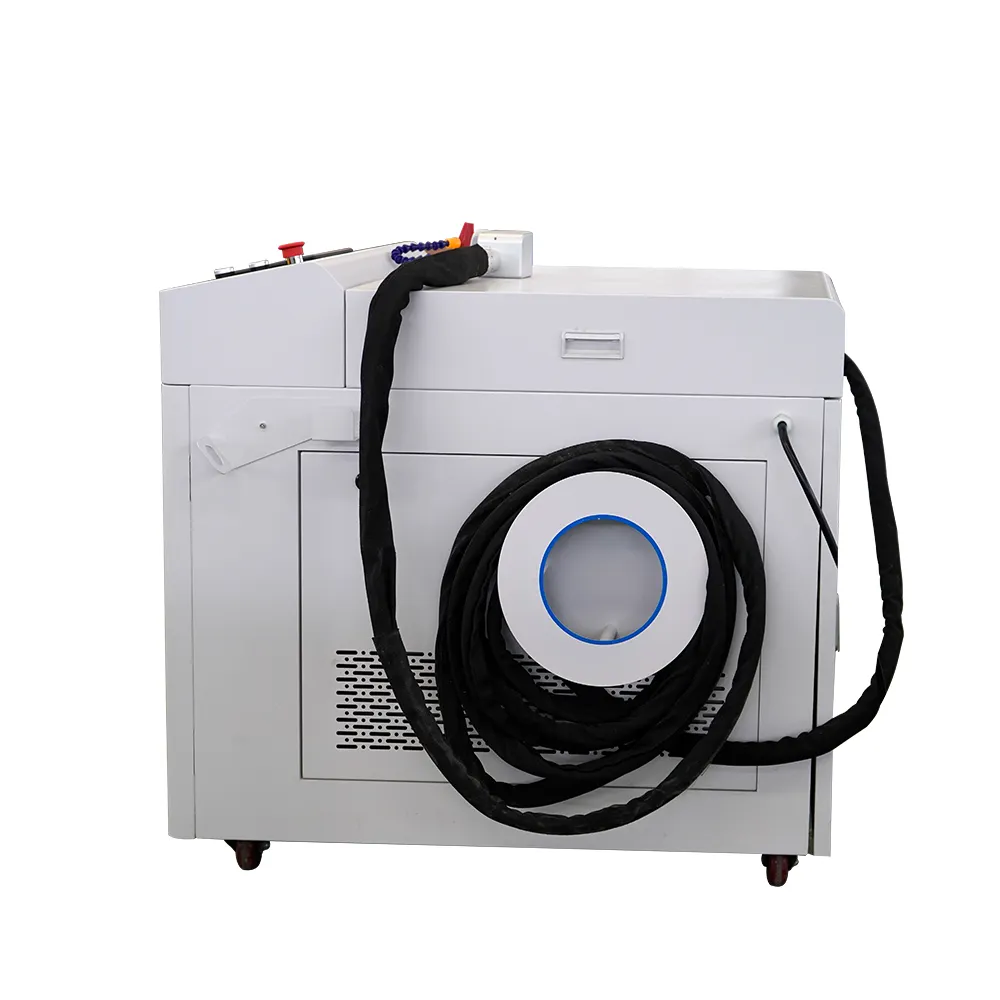
The industrial landscape continues to evolve rapidly, and portable laser technology stands at the forefront of this transformation. A handheld laser represents a revolutionary approach to precision manufacturing, offering unprecedented flexibility and efficiency across diverse applications. These compact yet powerful devices have redefined traditional manufacturing processes, enabling operators to perform complex tasks with remarkable accuracy and mobility. As we advance through 2025, the adoption of portable laser systems continues to accelerate across multiple industries, driven by their versatility, cost-effectiveness, and user-friendly operation.
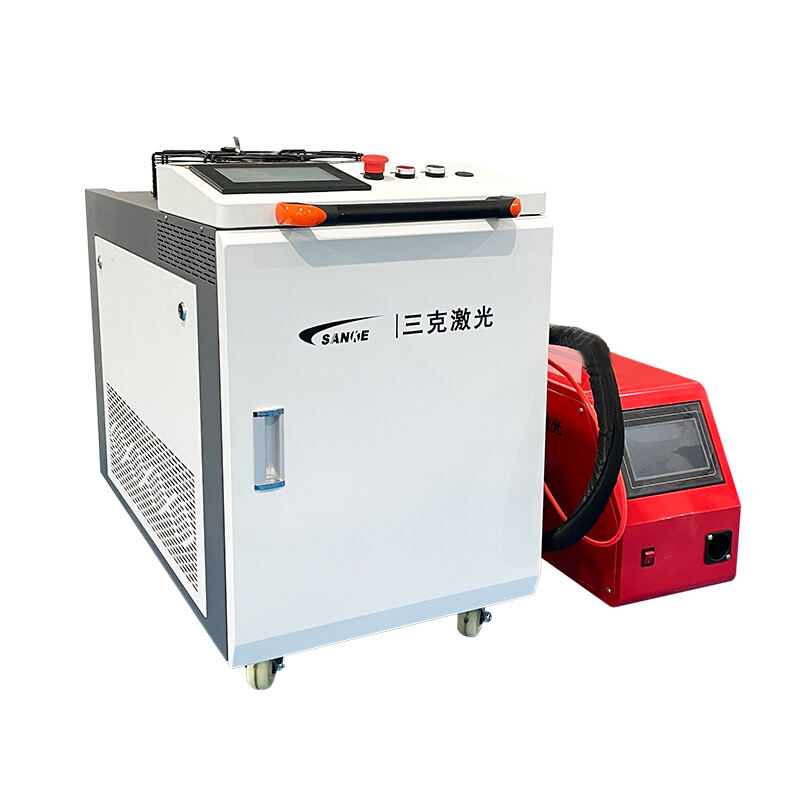
Automotive Industry Applications
Precision Welding Operations
The automotive sector has embraced handheld laser technology for critical welding applications that demand exceptional precision and strength. Modern vehicles require joints that can withstand extreme stress while maintaining structural integrity, and portable laser welding systems deliver these requirements consistently. Manufacturing facilities utilize these devices for bodywork repairs, exhaust system modifications, and component assembly processes. The ability to perform high-quality welds in confined spaces makes handheld laser equipment indispensable for automotive production lines.
Automotive technicians appreciate the reduced heat-affected zones that handheld laser welding provides, minimizing distortion in sensitive materials. This technology enables seamless integration of different metal alloys, creating stronger bonds than traditional welding methods. The portability factor allows technicians to access hard-to-reach areas within vehicle assemblies, ensuring comprehensive coverage throughout the manufacturing process.
Surface Treatment and Cleaning
Beyond welding applications, the automotive industry leverages handheld laser systems for surface preparation and cleaning operations. Paint removal, rust elimination, and coating preparation represent crucial preprocessing steps that directly impact final product quality. These laser systems provide controlled material removal without damaging underlying substrates, ensuring optimal surface conditions for subsequent treatments.
The precision control offered by portable laser cleaning equipment allows technicians to selectively remove unwanted materials while preserving critical surface features. This capability proves particularly valuable when refurbishing classic vehicles or preparing components for specialized coatings. The environmental benefits of laser cleaning, including reduced chemical usage and waste generation, align with automotive industry sustainability goals.
Aerospace Manufacturing Solutions
Component Repair and Maintenance
Aerospace applications demand the highest levels of precision and reliability, making handheld laser technology an essential tool for component maintenance and repair operations. Aircraft engines, structural components, and avionics housings require periodic maintenance that often involves welding, cutting, or surface modification procedures. The portability of these laser systems enables technicians to perform maintenance operations directly on aircraft, reducing downtime and operational costs.
Critical aerospace components manufactured from exotic materials like titanium alloys and Inconel require specialized joining techniques that preserve material properties. Handheld laser welding provides the precise heat control necessary to maintain the metallurgical characteristics of these advanced materials. The ability to perform repairs in situ significantly reduces logistics costs and maintenance schedules for aerospace operators.
Additive Manufacturing Support
The growing adoption of additive manufacturing in aerospace applications has created new opportunities for handheld laser integration. Post-processing operations, including surface finishing and support material removal, benefit significantly from portable laser technology. These systems enable precise material removal without compromising the integrity of complex geometries produced through 3D printing processes.
Quality control procedures in aerospace manufacturing increasingly rely on handheld laser systems for marking, engraving, and identification applications. Traceability requirements mandate permanent marking of critical components, and laser marking provides indelible identification that withstands harsh operating environments. The precision and permanence of laser marking ensure compliance with stringent aerospace quality standards.
Medical Device Manufacturing
Precision Cutting Applications
Medical device manufacturing represents one of the most demanding applications for handheld laser technology, where precision and cleanliness are paramount. Surgical instruments, implantable devices, and diagnostic equipment require manufacturing processes that maintain strict tolerances while ensuring biocompatibility. Portable laser cutting systems provide the accuracy necessary for creating intricate medical device components from specialized materials.
The sterile nature of laser processing makes it ideal for medical applications where contamination must be eliminated. Unlike mechanical cutting methods, laser processing produces clean cuts without introducing foreign particles or requiring additional cleaning steps. This characteristic proves especially valuable when manufacturing implantable devices that must meet rigorous biocompatibility standards.
Micro-welding Operations
Medical devices often incorporate extremely small components that require micro-welding capabilities beyond the scope of traditional joining methods. Handheld laser systems equipped with appropriate optics can perform precise welds on components measuring mere millimeters in dimension. Pacemaker assemblies, catheter components, and diagnostic sensor housings all benefit from the precision offered by portable laser micro-welding technology.
The heat control characteristics of handheld laser welding prevent thermal damage to sensitive electronic components commonly found in medical devices. This capability enables manufacturers to create hermetic seals around electronic assemblies while maintaining the functionality of temperature-sensitive components. The reliability of laser-welded joints ensures long-term performance in critical medical applications.
Electronics and Telecommunications
Circuit Board Manufacturing
The electronics industry continues to push the boundaries of miniaturization, creating new challenges for traditional manufacturing processes. Handheld laser systems provide solutions for precision cutting, drilling, and welding operations required in modern electronics production. Circuit board manufacturing benefits from laser processing capabilities that enable creation of extremely small features without mechanical stress or contamination.
Via drilling operations in multilayer circuit boards require precision that mechanical drilling cannot achieve consistently. Handheld laser drilling systems create perfectly round holes with minimal thermal damage to surrounding materials. The flexibility of portable laser systems allows manufacturers to accommodate various board sizes and configurations without extensive tooling changes.
Telecommunications Infrastructure
Telecommunications equipment manufacturing relies heavily on handheld laser technology for creating reliable connections in fiber optic systems and RF components. The precision required for optical component alignment and attachment exceeds the capabilities of traditional assembly methods. Portable laser welding provides the accuracy necessary for maintaining optical alignment while creating permanent joints.
Field installation and maintenance of telecommunications equipment benefit significantly from portable laser systems that enable on-site repairs and modifications. Technicians can perform welding, cutting, and marking operations directly at installation sites, reducing equipment downtime and service costs. The rugged construction of modern handheld laser systems ensures reliable operation in challenging field environments.
Construction and Infrastructure
Structural Steel Fabrication
Construction industry applications for handheld laser technology continue expanding as contractors recognize the benefits of portable precision processing capabilities. Structural steel fabrication operations utilize these systems for welding, cutting, and surface preparation tasks that previously required multiple specialized tools. The versatility of handheld laser equipment reduces tool inventory requirements while improving processing quality.
On-site construction projects benefit from the portability of these laser systems, enabling high-quality welding operations in remote locations without extensive power infrastructure. Battery-powered handheld laser units provide construction teams with unprecedented flexibility for performing precision work in challenging environments. The consistent quality of laser welding ensures structural integrity that meets or exceeds building code requirements.
Pipeline and Infrastructure Maintenance
Infrastructure maintenance operations increasingly rely on handheld laser technology for pipeline repairs, structural modifications, and corrosion removal applications. The ability to perform high-quality repairs without extensive preparation or post-processing makes portable laser systems ideal for emergency maintenance situations. Pipeline operators utilize these systems for creating permanent patches and connections that restore full operational capability.
Corrosion removal applications benefit from the selective material removal capabilities of handheld laser cleaning systems. These devices remove rust and scale while preserving underlying metal structures, extending infrastructure service life significantly. The environmental advantages of laser cleaning, including elimination of chemical strippers and abrasive media, align with modern sustainability requirements for infrastructure projects.
Art and Design Applications
Architectural Metalwork
Artistic applications for handheld laser technology have opened new creative possibilities for designers and craftspeople working with metal media. Architectural metalwork projects benefit from the precision cutting and welding capabilities that enable creation of intricate designs impossible with traditional tools. The clean, precise cuts produced by handheld laser systems eliminate the need for extensive finishing operations.
Custom architectural elements, including decorative panels, sculptural components, and functional hardware, showcase the artistic potential of portable laser processing. Designers appreciate the ability to create complex geometries and fine details that would be prohibitively expensive using conventional fabrication methods. The repeatability of laser processing ensures consistency across large architectural installations.
Jewelry and Fine Arts
Fine arts and jewelry applications represent some of the most demanding uses for handheld laser technology, requiring extreme precision and delicate material handling. Jewelry manufacturers utilize these systems for welding precious metals, cutting intricate patterns, and performing delicate repair operations on valuable pieces. The precision control available with modern handheld laser systems enables jewelers to work with confidence on irreplaceable items.
Art conservation projects benefit from the gentle, controlled material removal capabilities of handheld laser cleaning systems. These devices remove corrosion, paint layers, and environmental deposits from historical artifacts without damaging underlying materials. Museums and restoration specialists increasingly rely on portable laser technology for preserving cultural heritage items for future generations.
Research and Development
Laboratory Applications
Research institutions and development laboratories utilize handheld laser systems for prototyping, sample preparation, and experimental procedures that require precise material processing. The flexibility of portable laser technology enables researchers to quickly modify experimental setups and create custom components for specialized applications. University laboratories particularly benefit from the educational value of hands-on laser processing experience.
Materials research applications leverage handheld laser capabilities for creating test specimens, joining dissimilar materials, and performing controlled thermal treatments. The precise energy control available with modern systems enables researchers to investigate material behavior under specific processing conditions. Data collection during laser processing provides valuable insights into material properties and processing parameter relationships.
Prototype Development
Product development cycles benefit significantly from handheld laser technology that enables rapid prototyping and iterative design improvements. Engineering teams can quickly fabricate test components, modify existing prototypes, and validate design concepts without extensive tooling investments. The speed and flexibility of portable laser processing accelerate development timelines while maintaining prototype quality.
Cross-industry collaboration projects utilize handheld laser systems as common processing platforms that facilitate knowledge transfer and technology development. The standardization of laser processing parameters enables consistent results across different organizations and research facilities. This consistency proves valuable for collaborative research projects that span multiple institutions and geographic locations.
Frequently Asked Questions
What safety considerations are important when operating handheld laser equipment
Operating handheld laser equipment safely requires adherence to established laser safety protocols and proper training for all users. Eye protection represents the most critical safety consideration, as laser radiation can cause permanent vision damage even from brief exposure to reflected beams. Operators must wear appropriate laser safety glasses rated for the specific wavelength and power level of their equipment. Additionally, proper ventilation systems are essential to remove fumes and particles generated during laser processing operations, protecting operators from inhaling potentially harmful materials.
How does handheld laser technology compare to traditional welding methods in terms of cost
While initial equipment costs for handheld laser systems typically exceed those of traditional welding equipment, the total cost of ownership often favors laser technology due to reduced consumables, improved efficiency, and enhanced quality outcomes. Handheld laser welding eliminates the need for filler materials, flux, and gas consumption required by conventional methods, resulting in significant long-term savings. The superior joint quality achieved with laser welding reduces rework costs and warranty claims, further improving the economic justification for adopting this technology.
What maintenance requirements are associated with handheld laser systems
Modern handheld laser systems require minimal routine maintenance compared to traditional processing equipment, primarily involving periodic cleaning of optical components and replacement of consumable items like protective lenses. Most systems incorporate diagnostic capabilities that monitor critical parameters and provide maintenance alerts before problems develop. Regular calibration procedures ensure consistent performance, while software updates may provide enhanced functionality and improved processing capabilities. Proper storage and handling procedures help extend equipment service life and maintain optimal performance characteristics.
Can handheld laser equipment process all types of metals effectively
Handheld laser systems demonstrate excellent processing capabilities across a wide range of metallic materials, including steel, stainless steel, aluminum, titanium, and various alloys commonly used in industrial applications. However, highly reflective materials like copper and brass may require specialized processing parameters or surface treatments to achieve optimal results. The versatility of modern handheld laser systems allows operators to adjust power settings, pulse characteristics, and beam focusing to accommodate different material types and thicknesses, ensuring effective processing across diverse applications and industries.
Table of Contents
- Automotive Industry Applications
- Aerospace Manufacturing Solutions
- Medical Device Manufacturing
- Electronics and Telecommunications
- Construction and Infrastructure
- Art and Design Applications
- Research and Development
-
Frequently Asked Questions
- What safety considerations are important when operating handheld laser equipment
- How does handheld laser technology compare to traditional welding methods in terms of cost
- What maintenance requirements are associated with handheld laser systems
- Can handheld laser equipment process all types of metals effectively