 EN
EN
 AR
AR
 FR
FR
 DE
DE
 JA
JA
 KO
KO
 RU
RU
 ES
ES


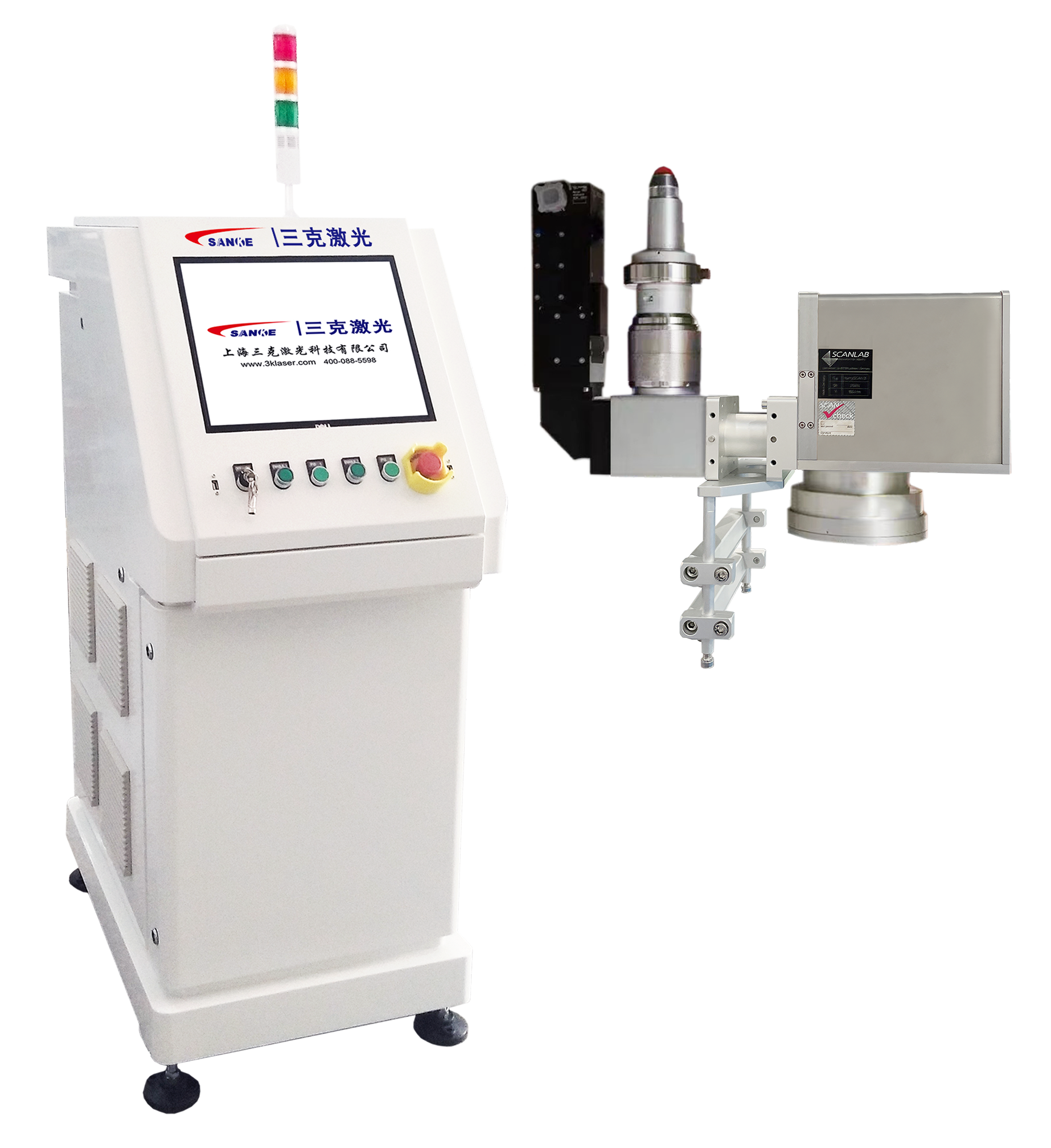
Manufacturing industries continuously seek cost-effective solutions that enhance productivity while maintaining quality standards. The debate between laser welding and traditional welding methods has intensified as businesses evaluate their production strategies. Understanding the comprehensive cost implications of laser welding technology versus conventional approaches requires careful analysis of multiple factors including equipment investment, operational expenses, and long-term productivity gains. This comparative examination reveals how advanced welding technologies reshape industrial manufacturing economics and influence strategic decision-making processes.
Initial Investment Comparison
Equipment Acquisition Costs
Traditional welding equipment typically requires lower upfront capital investment compared to laser welding systems. Standard MIG, TIG, or arc welding machines cost significantly less than sophisticated laser welding apparatus. However, this initial cost advantage diminishes when considering the comprehensive equipment ecosystem required for traditional methods. Conventional welding operations necessitate additional infrastructure including ventilation systems, safety equipment, consumables storage, and workspace preparation that accumulates substantial hidden costs.
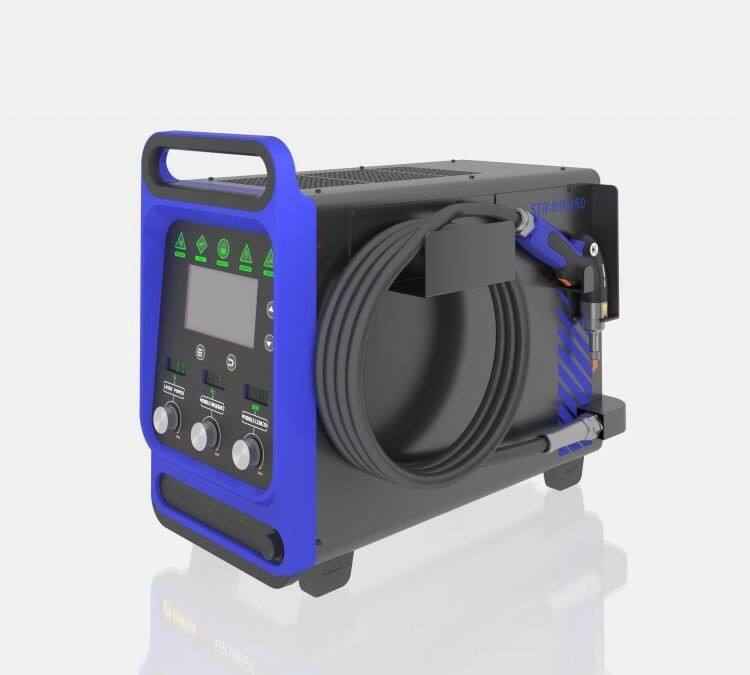
Modern laser welding systems command higher initial investment due to advanced laser generation technology, precision control systems, and safety mechanisms. Despite elevated purchase prices, these systems integrate multiple functionalities within single units, reducing overall equipment footprint requirements. The technological sophistication of laser welding equipment delivers enhanced capabilities that traditional methods cannot match, justifying premium pricing through superior performance characteristics.
Installation and Setup Requirements
Installation complexity varies dramatically between laser welding and traditional welding configurations. Conventional welding stations require extensive electrical infrastructure, gas supply systems, and comprehensive ventilation networks to manage fumes and particulates. These requirements involve significant construction costs, ongoing maintenance expenses, and compliance with stringent safety regulations that continue escalating operational overhead.
Laser welding installations demand specialized electrical requirements and safety protocols but generate minimal environmental contamination. The reduced need for extensive ventilation systems and simplified workspace requirements often offset higher equipment costs through lower facility modification expenses. Professional installation services ensure optimal system performance while minimizing long-term maintenance complications.
Operational Cost Analysis
Labor and Training Expenses
Traditional welding methods require highly skilled operators with extensive certification and ongoing training programs. Welding certification processes involve substantial time investments, regular recertification requirements, and specialized training facilities that generate continuous educational expenses. Skilled welders command premium wages reflecting their expertise and the physical demands of traditional welding processes.
Laser welding technology reduces operator skill requirements through automated processes and user-friendly interfaces. While initial training remains necessary, the learning curve proves less steep than traditional welding methods. Automated laser welding systems minimize human error potential while enabling less experienced operators to achieve consistent results. This democratization of welding capabilities reduces long-term labor costs and training expenses significantly.
Consumables and Material Costs
Traditional welding processes consume substantial quantities of electrodes, filler metals, shielding gases, and protective equipment. These ongoing consumable costs accumulate rapidly, particularly in high-volume production environments. Material waste from traditional welding methods includes spatter, slag removal, and rework requirements that increase overall material consumption and disposal expenses.
Laser welding minimizes consumable requirements by eliminating filler materials in many applications and reducing shielding gas consumption. The precision of laser welding processes generates minimal waste while producing superior joint quality with reduced post-processing requirements. Lower consumable usage translates directly into reduced operational costs and simplified inventory management.
Production Efficiency Factors
Speed and Throughput Capabilities
Production speed represents a critical factor in manufacturing cost calculations where laser welding demonstrates significant advantages. Traditional welding methods require substantial setup time, preheating procedures, and cooling periods that extend overall production cycles. Manual positioning and adjustment requirements further reduce throughput while increasing labor costs per unit produced.
Laser welding operations achieve dramatically faster processing speeds with minimal setup requirements and reduced cooling times. Automated laser welding systems operate continuously with consistent quality output, maximizing production throughput while minimizing labor intervention. The high-speed capabilities of laser welding technology enable manufacturers to meet demanding production schedules with reduced equipment quantities.
Quality and Rework Considerations
Traditional welding methods generate variable quality outcomes influenced by operator skill, environmental conditions, and material preparation consistency. Quality variations necessitate extensive inspection procedures and potential rework operations that increase production costs and extend delivery timelines. Defect rates in traditional welding can reach significant percentages requiring comprehensive quality control programs.
Laser welding delivers exceptional consistency and repeatability that minimizes quality variations and reduces inspection requirements. The precise control capabilities of laser welding systems produce uniform results regardless of operator experience levels. Reduced defect rates translate into lower rework costs, improved customer satisfaction, and enhanced production efficiency metrics.
Long-term Financial Impact
Maintenance and Service Requirements
Traditional welding equipment maintenance involves regular replacement of wear components, electrical system servicing, and gas handling equipment inspection. Maintenance costs accumulate steadily while equipment downtime reduces productive capacity. The robust construction of conventional welding equipment typically provides extended service life but requires ongoing attention to maintain optimal performance levels.
Modern laser welding systems incorporate advanced diagnostic capabilities that predict maintenance requirements and optimize service scheduling. While laser components demand specialized service procedures, the overall maintenance frequency often proves lower than traditional equipment. Preventive maintenance programs ensure consistent laser welding performance while minimizing unexpected downtime and associated production losses.
Technology Advancement and Obsolescence
Traditional welding technology remains relatively stable with incremental improvements over time, providing predictable upgrade pathways and extended equipment lifecycles. However, this stability limits access to emerging technologies that could enhance productivity or reduce operational costs. The mature nature of traditional welding methods offers reliability but constrains innovation opportunities.
Laser welding technology continues evolving rapidly with regular performance improvements and capability enhancements. While this progression offers exciting advancement opportunities, it also creates potential obsolescence concerns for early adopters. Strategic planning helps organizations balance technological advancement benefits against equipment lifecycle considerations in laser welding investments.
Industry-Specific Applications
Automotive Manufacturing Requirements
Automotive manufacturing demands precise welding capabilities for lightweight materials and complex geometries that challenge traditional welding methods. Production volume requirements and quality standards favor laser welding applications despite higher initial costs. The automotive industry increasingly adopts laser welding for body assembly, component manufacturing, and specialized applications requiring exceptional precision.
Traditional welding methods maintain relevance in automotive manufacturing for specific applications involving thick materials or repair operations. However, the trend toward electric vehicles and lightweight construction increasingly favors laser welding capabilities. Cost analysis in automotive applications must consider regulatory requirements, quality standards, and production volume factors that influence technology selection decisions.
Aerospace and Medical Device Manufacturing
Aerospace and medical device industries require welding capabilities that meet stringent quality standards and regulatory compliance requirements. Traditional welding methods struggle to achieve the precision and cleanliness demanded by these critical applications. Material compatibility, joint integrity, and contamination control favor laser welding adoption despite premium costs.
Laser welding technology excels in aerospace and medical applications through superior joint quality, minimal heat-affected zones, and contamination-free processing. The ability to weld dissimilar materials and create hermetic seals justifies laser welding investments in these specialized markets. Cost analysis must incorporate regulatory compliance expenses, quality system requirements, and liability considerations specific to these industries.
FAQ
How do energy consumption costs compare between laser welding and traditional methods
Laser welding systems typically consume more electrical energy per unit time than traditional welding equipment due to laser generation requirements. However, the faster processing speeds and higher efficiency of laser welding often result in lower overall energy consumption per completed joint. Traditional welding methods may use less instantaneous power but require longer processing times and additional energy for ventilation and material handling systems.
What factors influence the break-even point for laser welding investment
The break-even point for laser welding investment depends on production volume, labor costs, material savings, and quality improvement benefits. High-volume manufacturers typically achieve faster payback periods through reduced processing time and lower defect rates. Factors such as energy costs, consumable prices, and maintenance expenses also influence break-even calculations. Most manufacturers see return on investment within two to four years depending on application specifics.
Can existing traditional welding operations be partially converted to laser welding
Many manufacturers successfully implement hybrid approaches combining laser welding for precision applications with traditional methods for less critical joints. This strategy allows gradual technology adoption while maintaining production continuity. Partial conversion enables organizations to evaluate laser welding benefits in specific applications before committing to comprehensive system replacement. Strategic implementation planning helps optimize the transition process and minimize operational disruption.
How do safety costs compare between laser welding and traditional welding methods
Traditional welding generates significant safety expenses through fume extraction systems, protective equipment, and health monitoring programs. Laser welding requires specialized safety protocols and training but produces fewer airborne contaminants and reduces exposure risks. While laser safety systems demand initial investment, long-term safety costs often favor laser welding through reduced healthcare expenses and improved working conditions. Comprehensive safety analysis should include both direct costs and indirect benefits of each welding method.
Table of Contents
- Initial Investment Comparison
- Operational Cost Analysis
- Production Efficiency Factors
- Long-term Financial Impact
- Industry-Specific Applications
-
FAQ
- How do energy consumption costs compare between laser welding and traditional methods
- What factors influence the break-even point for laser welding investment
- Can existing traditional welding operations be partially converted to laser welding
- How do safety costs compare between laser welding and traditional welding methods