Exceptional Versatility and Material Compatibility
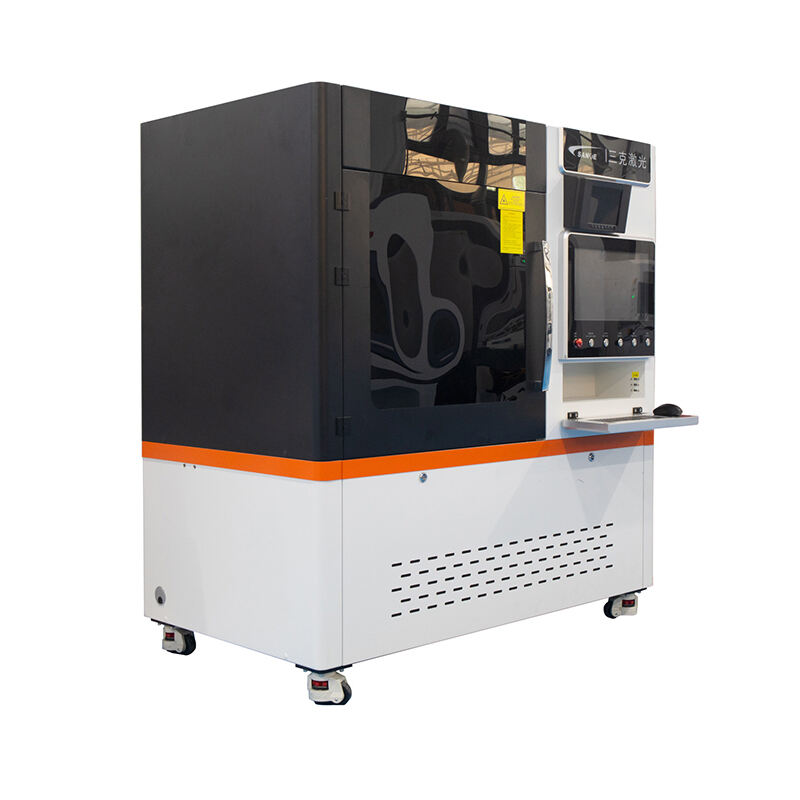
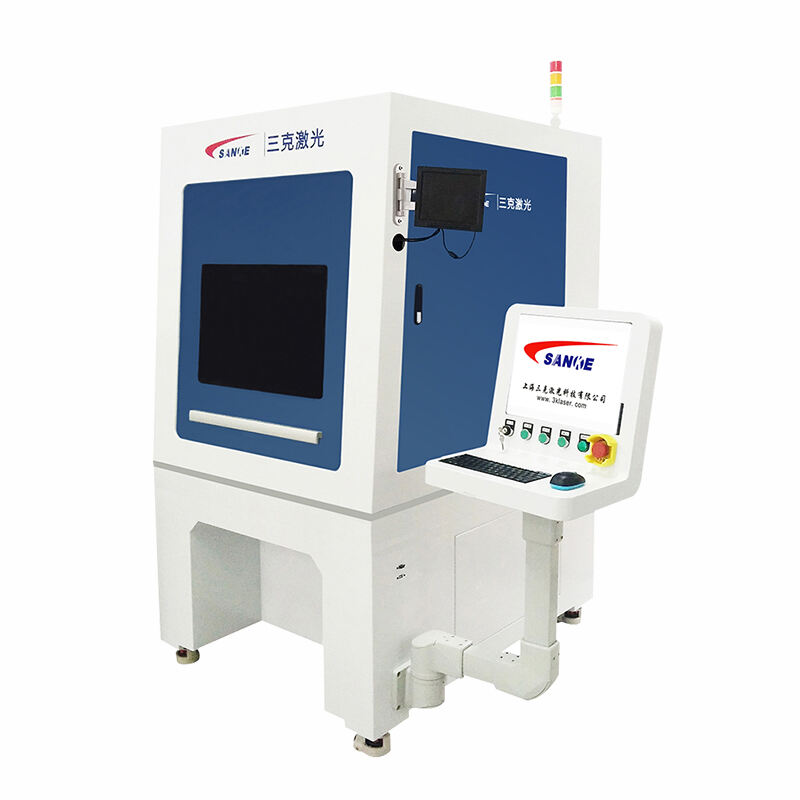
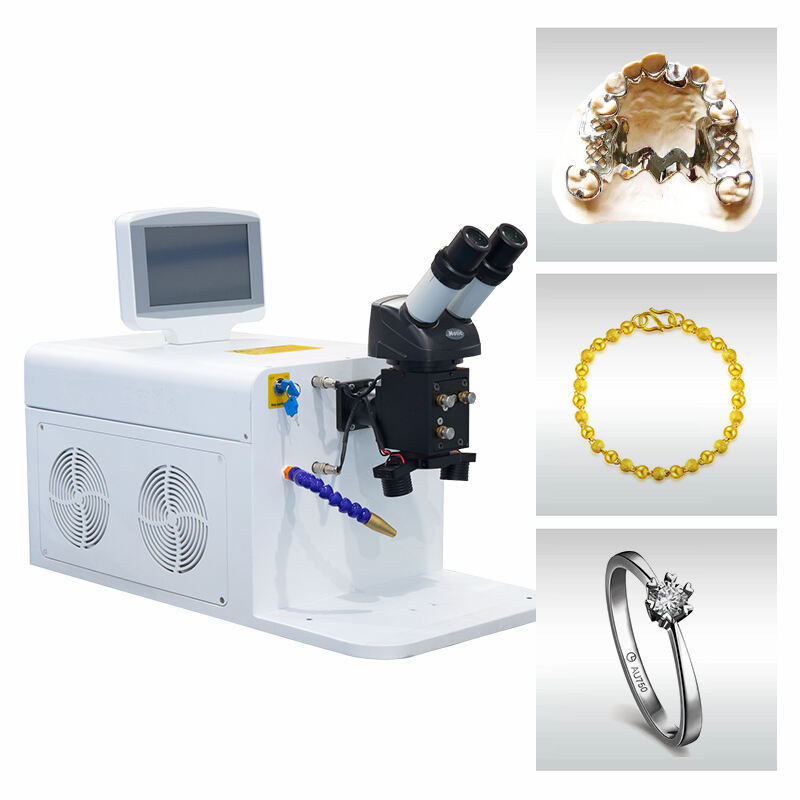
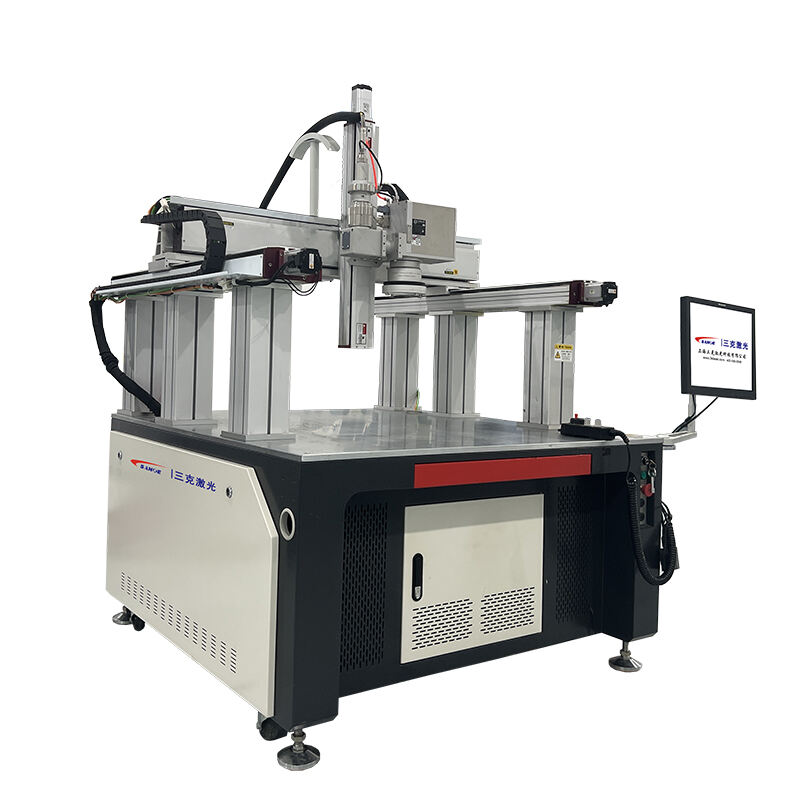
The small laser welding machine demonstrates remarkable versatility in handling diverse materials and applications, making it an invaluable asset for manufacturers working with multiple product lines or custom fabrication requirements. This adaptability extends across an impressive range of metals including stainless steel, carbon steel, aluminum alloys, titanium, copper, brass, nickel-based superalloys, and various exotic materials used in specialized applications. The machine efficiently processes material thicknesses from ultra-thin foils measuring just a few micrometers to substantial sections several millimeters thick, accommodating virtually any manufacturing requirement. Different welding modes available in small laser welding machines include spot welding for discrete joints, seam welding for continuous connections, and pulsed welding for heat-sensitive applications. The pulse duration, frequency, and power levels can be precisely controlled to optimize results for specific material combinations and joint configurations. This flexibility enables manufacturers to tackle challenging applications such as dissimilar metal joining, where traditional welding methods often fail due to differences in melting points, thermal expansion coefficients, or metallurgical compatibility. The small laser welding machine excels in repair operations, allowing precision restoration of expensive components, tooling, and machinery parts without requiring complete replacement. This capability proves particularly valuable in maintenance operations where downtime costs significantly impact profitability. The machine handles complex geometries effortlessly, welding in confined spaces, around obstacles, or on curved surfaces that would be impossible to reach with conventional equipment. Programmable welding patterns enable automation of repetitive tasks while maintaining the flexibility to accommodate design changes or custom requirements. The ability to weld through transparent materials opens unique possibilities for hermetic sealing applications in electronics and medical device manufacturing. Furthermore, the small laser welding machine can process pre-painted or coated materials in many cases, eliminating time-consuming surface preparation steps. This versatility extends to joint designs as well, with capabilities for butt joints, lap joints, fillet welds, and specialized configurations tailored to specific applications. The modular design of modern small laser welding machines allows for easy reconfiguration and upgrade paths, ensuring that investments remain viable as manufacturing requirements evolve over time.
 EN
EN
 AR
AR
 FR
FR
 DE
DE
 JA
JA
 KO
KO
 RU
RU
 ES
ES