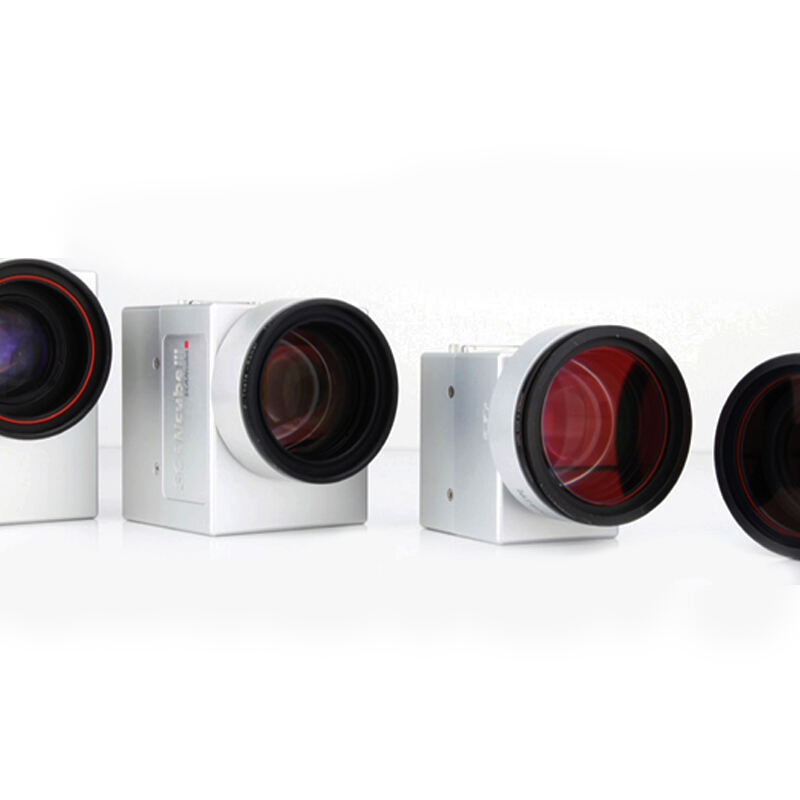
scanlab mri-0

ScanLab MRI: Advanced Magnetic Resonance Imaging Technology for Superior Diagnostics

Get a Free Quote

Our representative will contact you soon.
Email
Name
Company Name
Message
0/1000

scanlab mri

The ScanLab MRI represents a groundbreaking advancement in magnetic resonance imaging technology, designed to revolutionize medical diagnostics and patient care. This sophisticated imaging system combines cutting-edge hardware with innovative software solutions to deliver exceptional image quality and diagnostic precision. The ScanLab MRI incorporates advanced gradient coil technology that enables rapid image acquisition while maintaining superior resolution and contrast capabilities. Its main functions encompass comprehensive body imaging, including neurological examinations, cardiac assessments, orthopedic evaluations, and soft tissue analysis. The system features a powerful superconducting magnet that generates consistent magnetic fields, ensuring reliable and reproducible results across all scanning procedures. The ScanLab MRI utilizes proprietary pulse sequences that optimize signal-to-noise ratios and reduce scan times significantly compared to conventional systems. Technological features include an intuitive user interface that streamlines workflow efficiency and reduces operator training requirements. The system incorporates artificial intelligence algorithms that assist in image reconstruction and artifact reduction, enhancing overall diagnostic accuracy. Advanced shimming technology ensures magnetic field homogeneity, resulting in superior image uniformity throughout the entire field of view. The ScanLab MRI offers multiple coil configurations to accommodate various anatomical regions and patient positioning requirements. Applications span across multiple medical specialties, including neurology for brain and spine imaging, cardiology for cardiac function assessment, and oncology for tumor detection and monitoring. The system excels in pediatric imaging with specialized protocols that minimize scan duration and patient anxiety. Emergency medicine benefits from rapid imaging capabilities that enable quick diagnosis in critical situations. Research facilities utilize the ScanLab MRI for advanced studies requiring high-resolution imaging and precise measurements. The system supports both clinical routine and specialized research protocols, making it versatile for diverse medical environments and applications.

New Product Recommendations

The ScanLab MRI delivers numerous practical benefits that directly impact patient care and operational efficiency in medical facilities. Healthcare providers experience significantly reduced scan times, allowing them to examine more patients daily while maintaining exceptional image quality standards. This efficiency boost translates to improved patient throughput and enhanced revenue generation for medical practices. The system requires minimal maintenance compared to traditional MRI units, reducing operational costs and minimizing downtime that could disrupt patient scheduling. Energy consumption remains remarkably low due to advanced cryogenic systems and optimized power management, resulting in substantial utility cost savings over time. Patient comfort receives priority through spacious bore design and reduced noise levels during scanning procedures, leading to better patient cooperation and fewer repeat examinations. The ScanLab MRI produces consistently high-quality images that enable physicians to make confident diagnoses more quickly and accurately. Advanced motion correction algorithms compensate for patient movement, reducing the need for sedation in anxious or pediatric patients. Installation flexibility allows the system to fit into existing facility layouts without extensive renovations, saving construction costs and minimizing disruption to ongoing operations. Training requirements prove minimal due to intuitive software design that enables technologists to master operation quickly and efficiently. Remote diagnostic capabilities allow specialists to review images from any location, improving consultation speed and patient access to expert opinions. The system adapts to various clinical protocols automatically, reducing setup time and potential operator errors. Quality assurance features continuously monitor system performance, alerting staff to potential issues before they affect image quality or patient safety. Workflow integration seamlessly connects with existing hospital information systems, eliminating data transfer delays and reducing administrative burden. The ScanLab MRI supports telemedicine initiatives by providing high-quality images suitable for remote consultation and second opinions. Long-term reliability ensures consistent performance over many years, protecting the substantial investment in advanced imaging technology while maintaining high standards of patient care and diagnostic excellence.

Tips And Tricks

What are the typical power requirements for different models of laser drilling machines?

19

Nov

What are the typical power requirements for different models of laser drilling machines?

Understanding the power requirements for laser drilling machines is crucial for manufacturers, engineers, and facility managers planning their industrial operations. The electrical demands of these sophisticated systems vary significantly based on la...
View More
How Does Handheld Laser Welding Compare to Traditional Welding Methods?

19

Nov

How Does Handheld Laser Welding Compare to Traditional Welding Methods?

The welding industry has experienced significant technological advancement over the past decade, with handheld laser welding emerging as a revolutionary alternative to conventional welding techniques. This innovative technology represents a paradigm ...
View More
Field Lens Technology: Latest Innovations Explained

21

Oct

Field Lens Technology: Latest Innovations Explained

Revolutionary Advances in Optical Engineering The evolution of field lens technology represents one of the most significant breakthroughs in modern optical engineering. These sophisticated optical elements have transformed how we capture, process, an...
View More
2025 Guide: How to Choose the Perfect Beam Expander

21

Oct

2025 Guide: How to Choose the Perfect Beam Expander

Understanding the Critical Role of Beam Expanders in Modern Optics The optical industry continues to evolve at a rapid pace, and beam expanders have become indispensable components in numerous applications, from laser processing to advanced microscop...
View More

Get a Free Quote

Our representative will contact you soon.
Email
Name
Company Name
Message
0/1000

scanlab mri

Revolutionary Rapid Imaging Technology

Revolutionary Rapid Imaging Technology

The ScanLab MRI incorporates breakthrough rapid imaging technology that fundamentally transforms the magnetic resonance imaging experience for both patients and healthcare providers. This innovative system utilizes advanced parallel imaging techniques combined with compressed sensing algorithms to achieve scan times up to 50 percent faster than conventional MRI systems without compromising image quality or diagnostic accuracy. The technology employs sophisticated gradient coil designs that generate stronger and more precise magnetic field gradients, enabling rapid spatial encoding and faster image acquisition. Multiple receiver coils work simultaneously to capture data from different anatomical regions, dramatically reducing the time required for comprehensive examinations. The system automatically optimizes scanning parameters based on patient anatomy and clinical requirements, ensuring optimal image quality while minimizing scan duration. This rapid imaging capability proves particularly valuable in emergency situations where quick diagnosis can be life-saving, allowing physicians to make critical decisions within minutes rather than hours. Pediatric patients benefit enormously from reduced scan times, as shorter examinations minimize the need for sedation and reduce anxiety associated with prolonged confinement in the scanner. Elderly patients with mobility issues or chronic pain experience greater comfort due to abbreviated positioning requirements. The technology enables comprehensive whole-body screening protocols that can be completed in a single session, improving patient convenience and reducing multiple appointment scheduling. Motion artifacts, traditionally problematic in MRI imaging, become significantly less problematic due to shortened acquisition windows. The rapid imaging technology maintains exceptional signal-to-noise ratios through advanced noise reduction algorithms and optimized radiofrequency pulse sequences. This technological advancement positions healthcare facilities at the forefront of medical imaging, attracting patients seeking the most advanced and efficient diagnostic services available. The competitive advantage extends beyond patient care to operational efficiency, as increased patient throughput directly impacts facility revenue and resource utilization. Investment in ScanLab MRI rapid imaging technology demonstrates commitment to cutting-edge healthcare delivery and positions medical facilities as leaders in diagnostic innovation.
Intelligent AI-Powered Image Enhancement

Intelligent AI-Powered Image Enhancement

The ScanLab MRI integrates sophisticated artificial intelligence algorithms that revolutionize image processing and diagnostic accuracy through automated enhancement and analysis capabilities. This intelligent system continuously learns from vast databases of imaging studies to optimize image reconstruction protocols in real-time, ensuring each scan produces the highest possible image quality for accurate diagnosis. The AI technology automatically identifies and corrects common imaging artifacts such as motion blur, magnetic susceptibility effects, and signal dropout, resulting in cleaner and more diagnostically useful images. Machine learning algorithms analyze patient anatomy and automatically adjust imaging parameters to optimize contrast resolution for specific tissue types and pathological conditions. The system recognizes anatomical landmarks and automatically positions imaging planes for standardized and reproducible examinations, reducing operator dependency and improving consistency across different technologists. Advanced deep learning networks assist radiologists by highlighting potential abnormalities and providing preliminary analysis suggestions, enhancing diagnostic confidence and reducing interpretation time. The AI-powered technology continuously monitors image quality during acquisition and makes real-time adjustments to optimize signal characteristics and minimize artifacts. Automated protocol selection analyzes patient demographics, clinical indications, and scanning requirements to recommend optimal imaging sequences, reducing setup time and potential errors. The intelligent system learns from user preferences and facility-specific protocols to customize operation for individual healthcare environments. Quality assurance algorithms automatically assess image adequacy and alert operators to potential issues before completing examinations, preventing the need for repeat scans. The AI technology enables predictive maintenance by monitoring system performance parameters and identifying potential hardware issues before they impact image quality or system availability. Advanced noise reduction algorithms selectively enhance signal while preserving important diagnostic information, resulting in images with superior clarity and detail. The intelligent system supports research applications by providing consistent and standardized image processing protocols that enable reliable comparative studies. Integration with picture archiving and communication systems ensures seamless data transfer while maintaining image enhancement benefits throughout the diagnostic workflow. This AI-powered technology represents the future of medical imaging, combining human expertise with machine intelligence to achieve unprecedented levels of diagnostic accuracy and operational efficiency.
Patient-Centric Comfort Design Excellence

Patient-Centric Comfort Design Excellence

The ScanLab MRI prioritizes patient comfort through innovative design elements that address common concerns and anxieties associated with magnetic resonance imaging examinations. The system features an exceptionally spacious bore design with increased diameter and shorter tunnel length, significantly reducing feelings of claustrophobia that often prevent patients from completing necessary examinations. Advanced acoustic engineering minimizes operational noise levels to comfortable levels, eliminating the harsh industrial sounds typically associated with MRI scanning procedures. The patient table incorporates ergonomic design principles with enhanced cushioning and adjustable positioning options that accommodate patients of various sizes and physical limitations comfortably. Specialized pediatric positioning aids and immobilization devices ensure young patients remain comfortable and still during examinations without causing distress or anxiety. The system includes integrated entertainment options such as video displays and audio systems that help distract patients during scanning procedures, making the experience more pleasant and reducing perceived examination time. Climate control systems maintain optimal temperature and air circulation within the scanning environment, preventing the stuffiness and discomfort often experienced in traditional MRI units. The ScanLab MRI incorporates advanced vibration dampening technology that eliminates the unsettling physical sensations patients sometimes experience during gradient switching operations. Lighting systems provide warm and calming illumination rather than harsh clinical lighting, creating a more welcoming and less intimidating environment for anxious patients. The system design enables continuous visual and verbal communication between patients and technologists throughout examinations, providing reassurance and immediate response to patient concerns. Emergency call systems ensure patients can immediately alert staff if they experience discomfort or anxiety during scanning procedures. The patient-friendly design extends to accessibility features that accommodate wheelchairs and stretchers, enabling seamless patient transfer and positioning without unnecessary lifting or manipulation. Specialized coils and positioning accessories minimize pressure points and support natural body alignment during lengthy examinations. The comfortable environment created by the ScanLab MRI results in higher patient satisfaction scores and improved cooperation during scanning procedures, leading to better image quality and reduced need for repeat examinations. This patient-centric approach demonstrates healthcare facility commitment to comprehensive care that addresses both diagnostic needs and patient experience expectations.

Get a Free Quote

Our representative will contact you soon.
Email
Name
Company Name
Message
0/1000