Precision Engineered Field Optimization
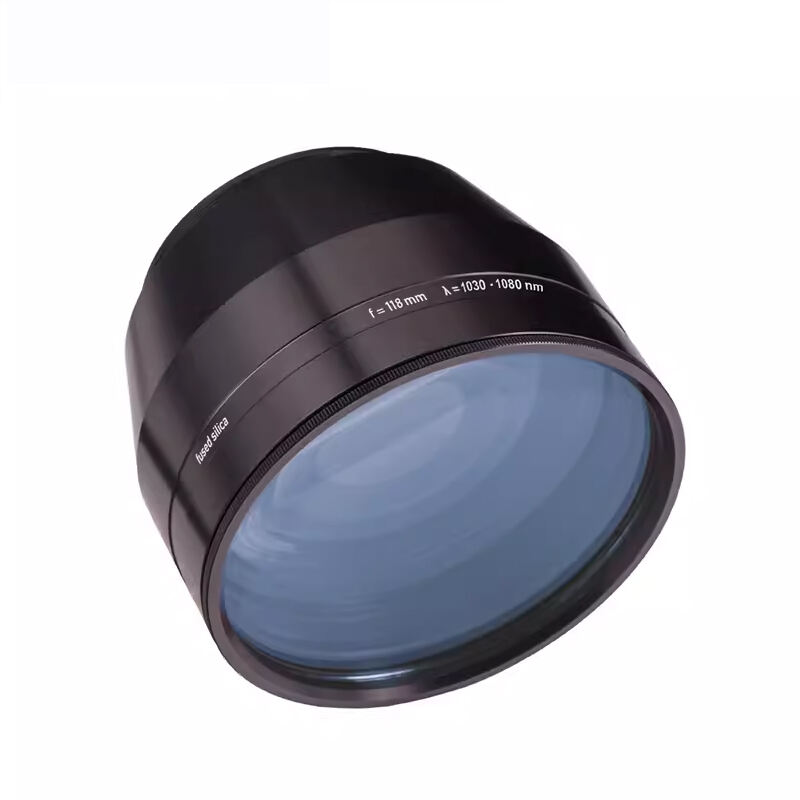
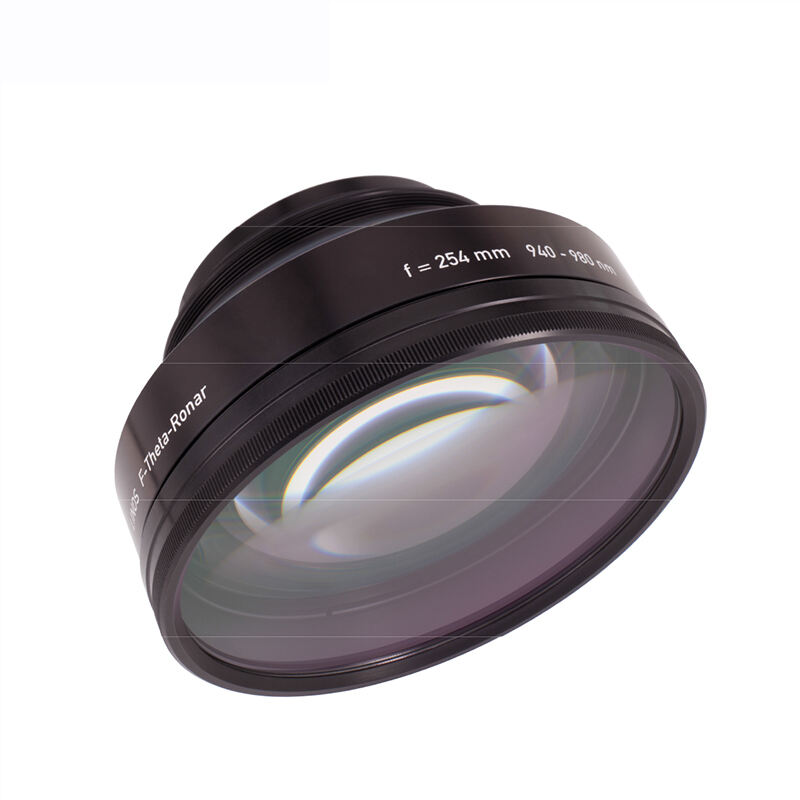
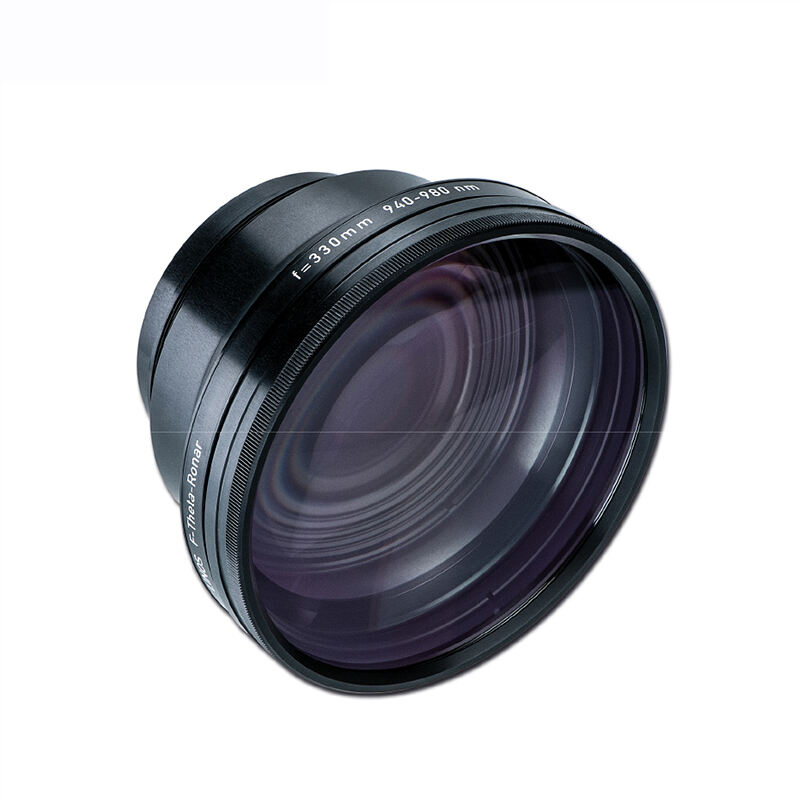
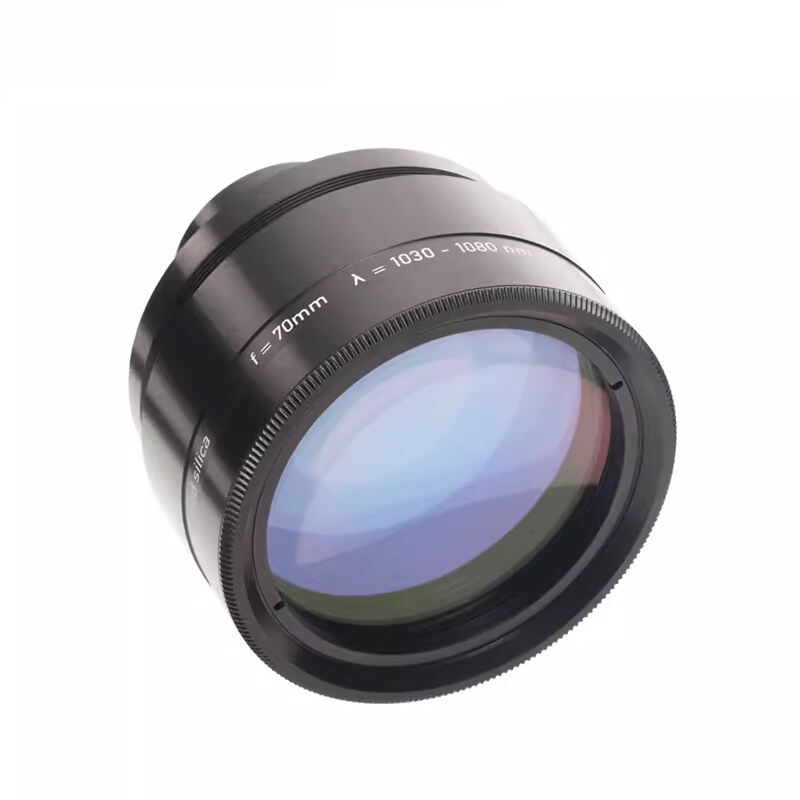
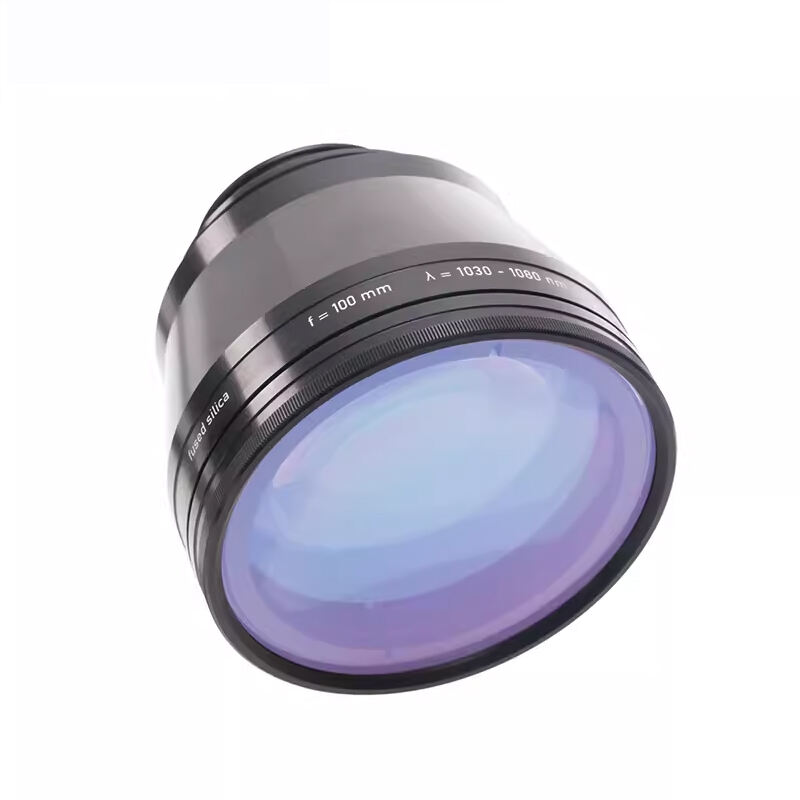
The prizm field lens showcases exceptional precision engineering specifically designed to optimize field performance characteristics across diverse optical applications. This sophisticated approach to field optimization addresses fundamental limitations found in conventional lens designs, delivering superior edge-to-edge sharpness and consistent optical performance throughout the entire field of view. The engineering process begins with advanced computer modeling and ray-tracing analysis that identifies optimal optical configurations for specific field requirements. Each prizm field lens undergoes meticulous design optimization to ensure uniform image quality from center to periphery, eliminating the field curvature and distortion issues that compromise traditional optical systems. The precision engineering encompasses careful element positioning, curvature calculations, and material selection to achieve optimal field flattening characteristics. Professional applications particularly benefit from the exceptional field uniformity that enables accurate measurements and detailed observations across the entire viewing area. The optimization process considers multiple optical parameters simultaneously, including astigmatism correction, chromatic aberration control, and geometric distortion minimization. This comprehensive approach ensures the prizm field lens delivers consistent performance metrics regardless of the specific field position being observed. Manufacturing precision plays a critical role in field optimization, with each optical element crafted to exacting tolerances that maintain design specifications under real-world conditions. The quality control process includes extensive field testing and measurement verification to ensure each prizm field lens meets stringent performance criteria. Users experience improved productivity and accuracy when working with subjects positioned throughout the field of view, as the optimized design maintains sharp focus and accurate color reproduction consistently. Scientific applications benefit enormously from the precision field characteristics, enabling detailed analysis and measurement across large sample areas without optical compromises. The field optimization extends to aberration correction, where sophisticated optical design techniques minimize spherical aberration, coma, and other optical defects that can degrade performance. This engineering excellence translates into superior user experience, enabling professionals to achieve consistent results with confidence in the optical system performance regardless of subject positioning within the field of view.
 EN
EN
 AR
AR
 FR
FR
 DE
DE
 JA
JA
 KO
KO
 RU
RU
 ES
ES