metal laser welding machine-0

Advanced Metal Laser Welding Machine - Precision, Speed, and Versatility for Modern Manufacturing

Get a Free Quote

Our representative will contact you soon.
Email
Name
Company Name
Message
0/1000

metal laser welding machine

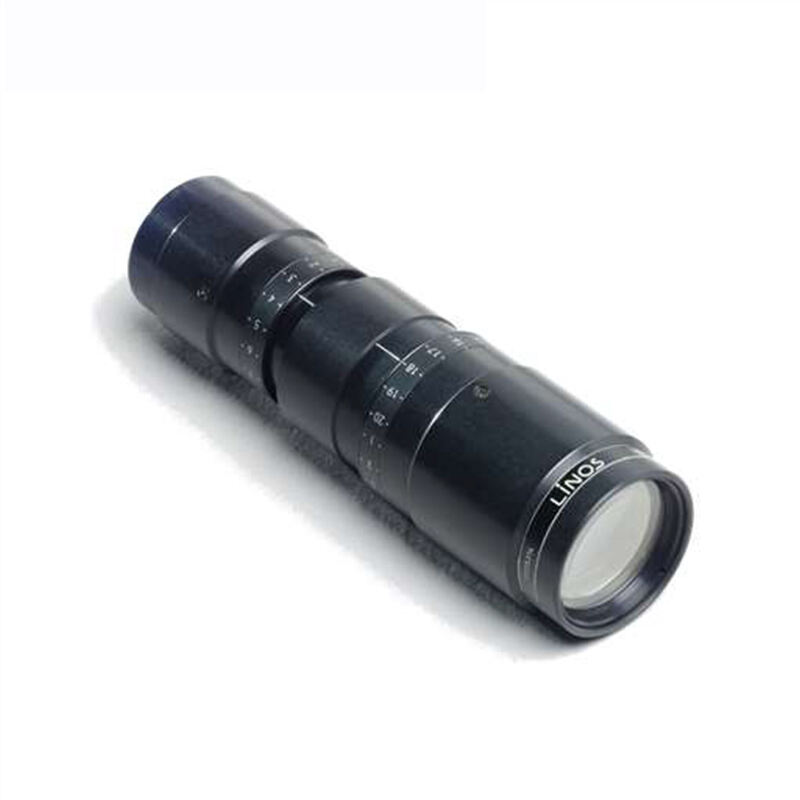
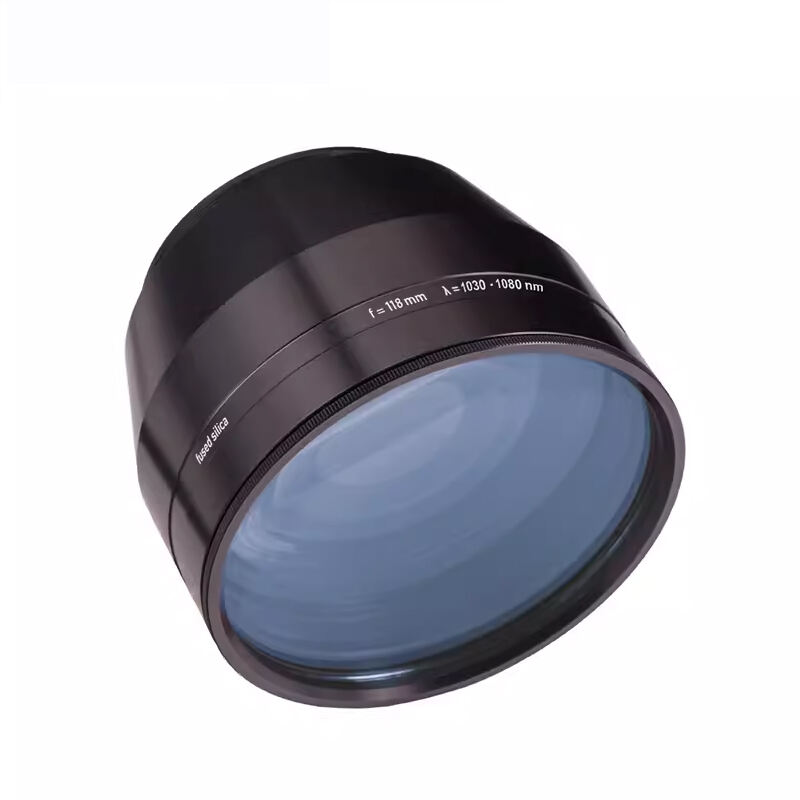
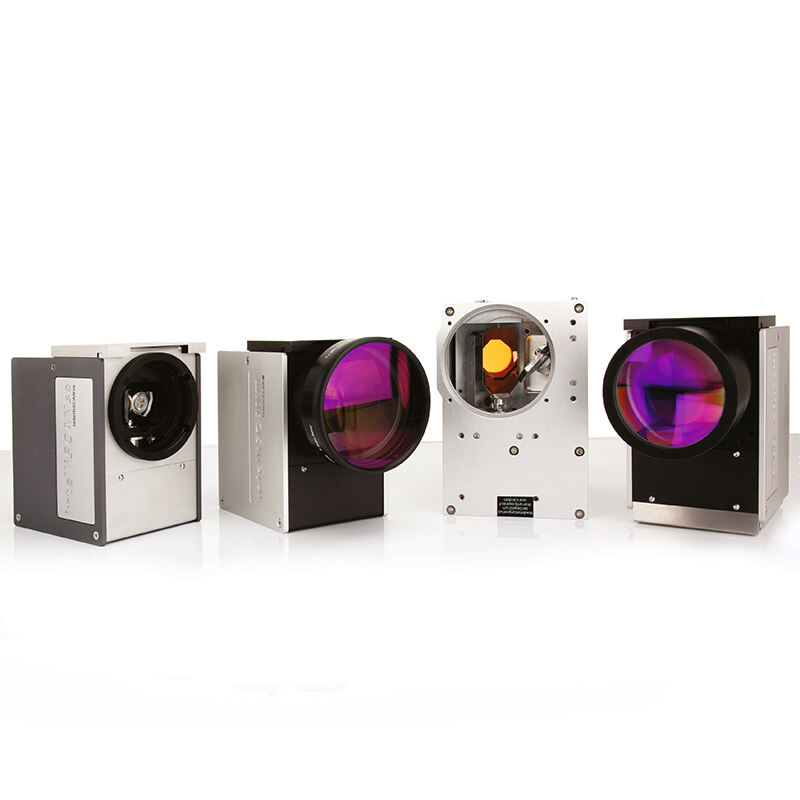
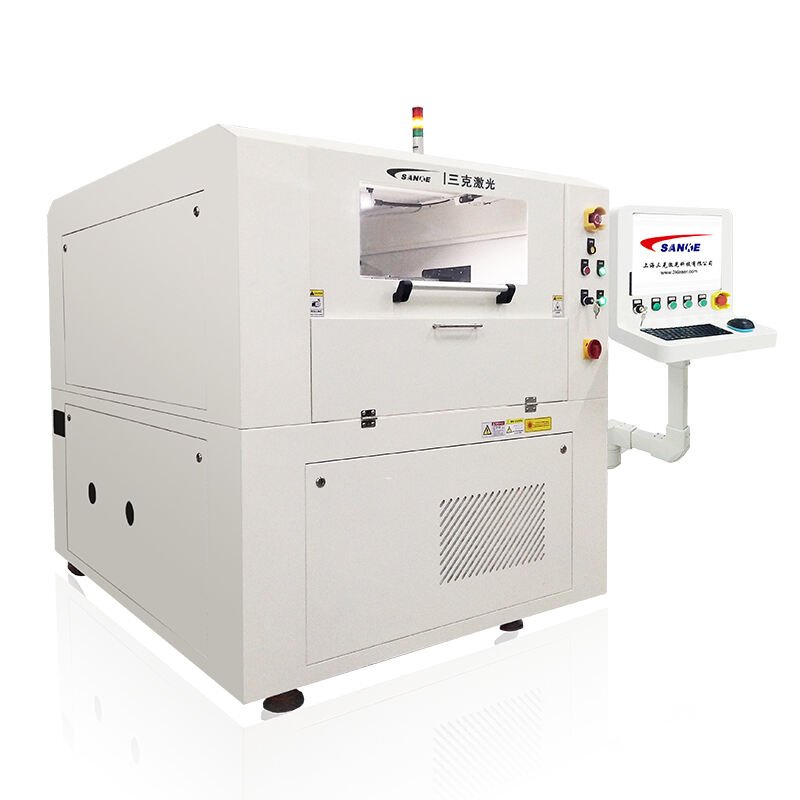
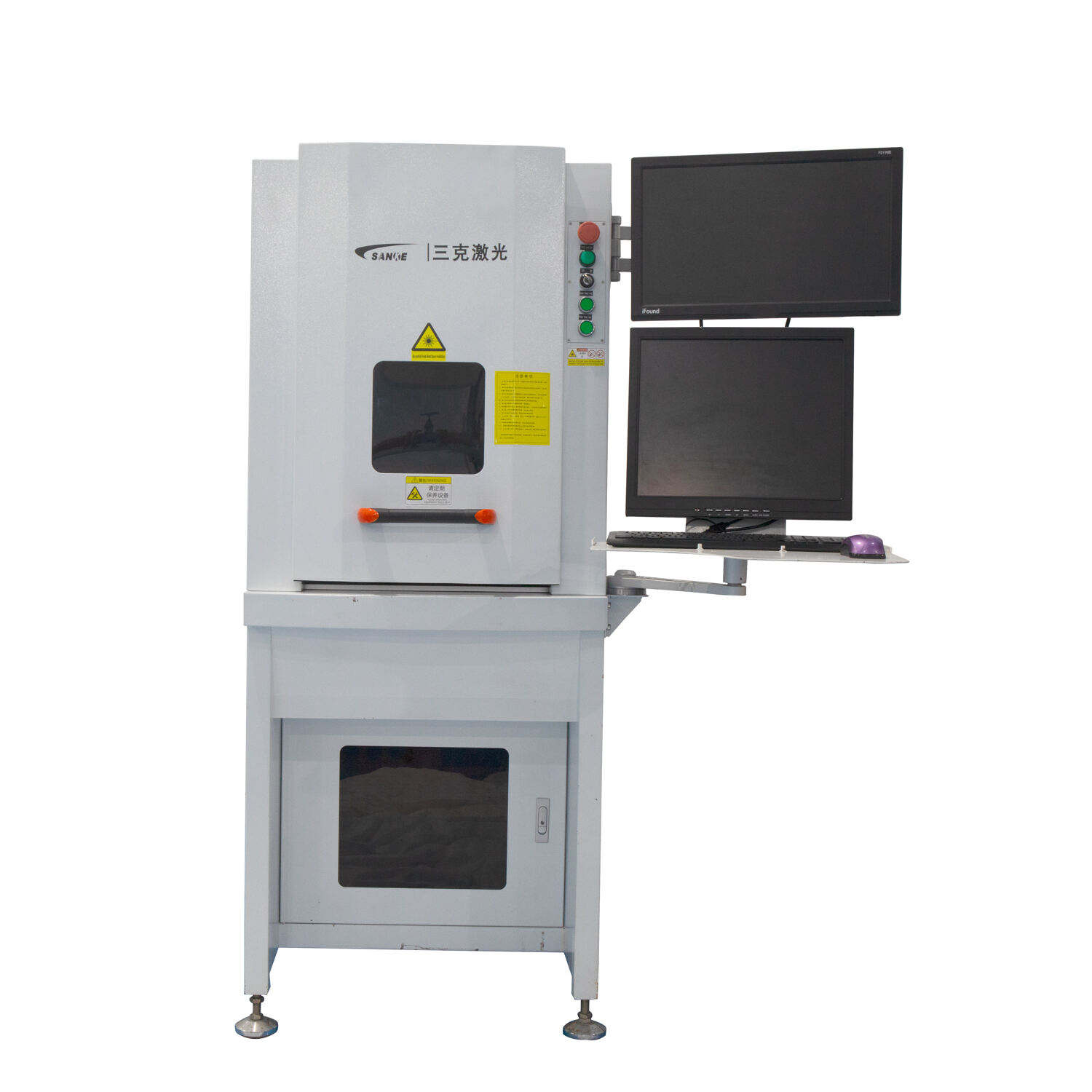
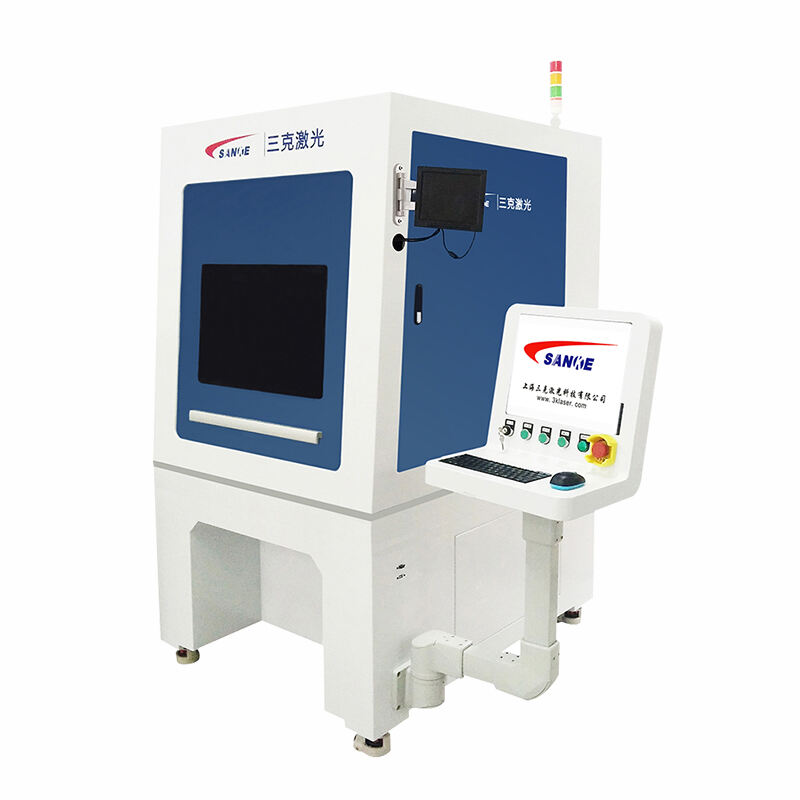
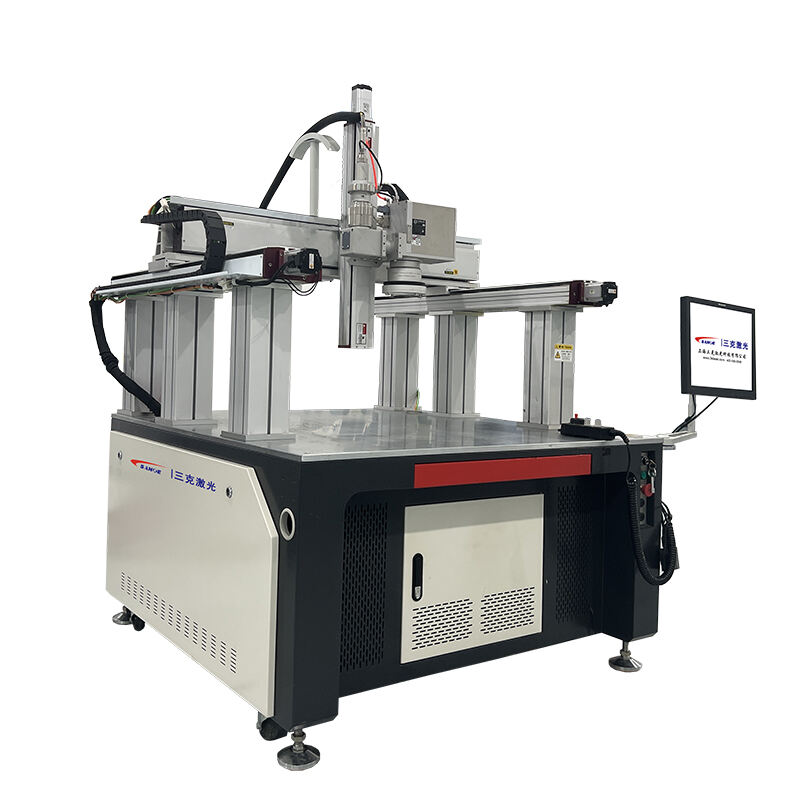
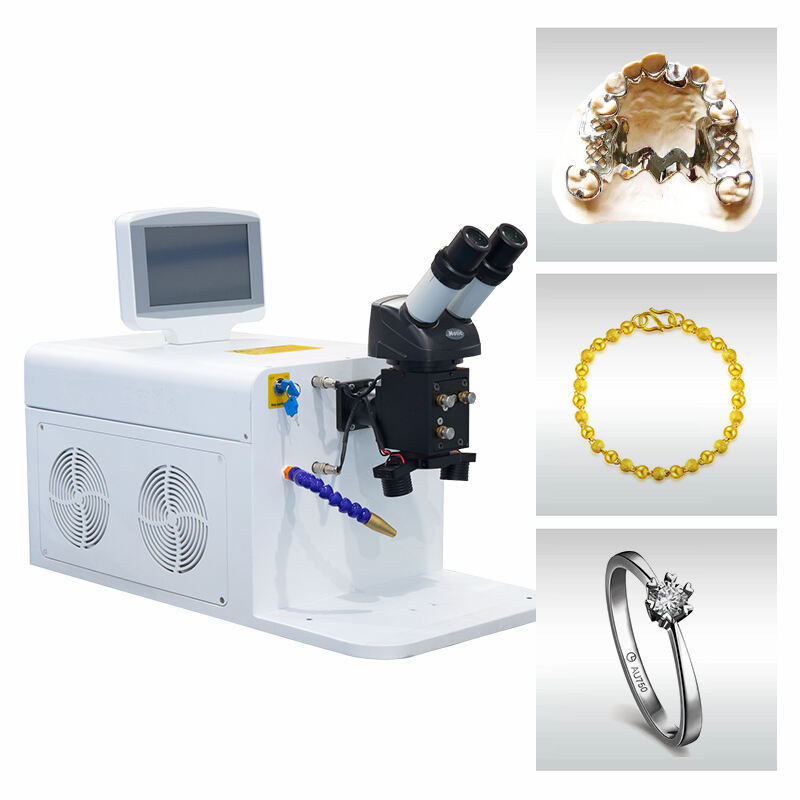
The metal laser welding machine represents a revolutionary advancement in modern manufacturing technology, utilizing concentrated laser beams to join metallic materials with exceptional precision and efficiency. This sophisticated equipment employs high-powered laser sources, typically fiber lasers or CO2 lasers, to generate intense heat energy that melts and fuses metal surfaces together. The metal laser welding machine operates by focusing a coherent light beam onto the workpiece, creating a narrow heat-affected zone that minimizes thermal distortion while ensuring strong, durable joints. The primary functions of this advanced welding system include spot welding, seam welding, and penetration welding across various metal types including stainless steel, aluminum, titanium, and carbon steel. The technological features of the metal laser welding machine encompass computer-controlled positioning systems, real-time monitoring capabilities, and programmable welding parameters that ensure consistent results. Advanced models incorporate galvanometer scanning systems that enable rapid beam positioning and complex welding patterns. The machine's control interface allows operators to adjust power levels, welding speed, focal position, and pulse duration with remarkable accuracy. Applications for the metal laser welding machine span numerous industries including automotive manufacturing, aerospace engineering, electronics production, medical device fabrication, and jewelry making. In automotive applications, these machines weld body panels, exhaust systems, and transmission components with superior quality. The aerospace industry relies on metal laser welding machines for joining critical components where strength and precision are paramount. Electronics manufacturers utilize these systems for welding small, delicate components without damaging surrounding materials. The medical industry benefits from the clean, precise welds required for surgical instruments and implants. The metal laser welding machine's versatility extends to sheet metal fabrication, pipeline construction, and repair operations where traditional welding methods prove inadequate or inefficient.

New Product Releases

The metal laser welding machine delivers substantial advantages that transform manufacturing processes and enhance production capabilities across diverse industries. Speed emerges as a primary benefit, as these machines complete welding operations significantly faster than conventional methods. The concentrated energy of the laser beam creates rapid heating and cooling cycles, reducing overall production time and increasing throughput. This speed advantage translates directly into cost savings and improved competitiveness for manufacturers. Precision stands as another crucial advantage of the metal laser welding machine, enabling operators to create welds with tolerances measured in microns. This level of accuracy proves essential for industries requiring exact specifications, such as medical device manufacturing and electronics production. The narrow heat-affected zone produced by laser welding minimizes material distortion and maintains the structural integrity of surrounding areas. Quality improvements represent a significant benefit of the metal laser welding machine, producing welds with superior strength, consistency, and appearance. The controlled heat input reduces porosity, cracking, and other defects commonly associated with traditional welding methods. The clean, precise nature of laser welding eliminates the need for extensive post-processing, saving both time and materials. Versatility distinguishes the metal laser welding machine from other welding technologies, as it successfully joins dissimilar metals that prove challenging for conventional methods. The ability to weld thin materials without burn-through and thick sections with deep penetration makes these machines invaluable for complex applications. The non-contact nature of laser welding eliminates tool wear and reduces maintenance requirements, contributing to lower operational costs. Environmental benefits include reduced waste generation, minimal consumables usage, and cleaner working conditions compared to traditional welding processes. The metal laser welding machine operates with high energy efficiency, converting electrical power directly into welding energy with minimal waste heat. Automation capabilities enable seamless integration into production lines, reducing labor costs and human error while ensuring consistent quality. The programmable nature of these systems allows for easy parameter adjustment and recipe storage, facilitating quick changeovers between different products and specifications.

Latest News

How do I ensure the safety of operators when using a laser drilling machine?

19

Nov

How do I ensure the safety of operators when using a laser drilling machine?

Laser drilling machines have revolutionized precision manufacturing across industries, offering unparalleled accuracy and efficiency for creating micro-holes in various materials. However, the powerful laser beams used in these systems pose significa...
View More
How does the maintenance of precision laser cutting machines impact their longevity and performance, and what are some tips for effective machine maintenance?

19

Nov

How does the maintenance of precision laser cutting machines impact their longevity and performance, and what are some tips for effective machine maintenance?

Precision laser cutting machines represent a significant investment for manufacturing facilities, and their proper maintenance directly correlates with operational efficiency, production quality, and equipment lifespan. These sophisticated systems re...
View More
What are the advantages of using a laser welding machine over traditional welding methods?

19

Nov

What are the advantages of using a laser welding machine over traditional welding methods?

Modern manufacturing processes continue to evolve with technological advancements, and welding technology stands at the forefront of this transformation. Among the most significant developments in recent years is the emergence of the laser welding ma...
View More
What industries benefit most from laser welding technology?

19

Nov

What industries benefit most from laser welding technology?

Modern manufacturing has witnessed a revolutionary shift in welding technology as industries increasingly adopt advanced laser welding systems. The laser welding machine represents a significant technological leap from conventional welding methods, o...
View More

Get a Free Quote

Our representative will contact you soon.
Email
Name
Company Name
Message
0/1000

metal laser welding machine

Unmatched Precision and Control for Critical Applications

Unmatched Precision and Control for Critical Applications

The metal laser welding machine delivers unprecedented precision that revolutionizes manufacturing standards across industries requiring exact specifications and flawless execution. This exceptional accuracy stems from the laser's ability to focus energy into an extremely small spot size, typically ranging from 0.1 to 2.0 millimeters in diameter, enabling operators to target specific areas with surgical precision. The concentrated energy density allows for controlled heat input, creating welds with minimal heat-affected zones that preserve the metallurgical properties of base materials. This precision proves invaluable in aerospace applications where structural integrity cannot be compromised, medical device manufacturing where biocompatibility is paramount, and electronics production where component damage must be avoided. The metal laser welding machine's computer-controlled positioning systems utilize servo motors and feedback mechanisms to maintain positional accuracy within micrometers, ensuring repeatable results across thousands of production cycles. Advanced beam delivery systems incorporate galvanometer scanners that can redirect the laser beam at speeds exceeding 10 meters per second, enabling complex welding patterns and geometries that would be impossible with conventional methods. The programmable parameters of the metal laser welding machine include power modulation, pulse duration, frequency control, and beam focusing, allowing operators to optimize welding conditions for specific materials and joint configurations. Real-time monitoring systems track weld quality parameters such as plasma emission, back-reflection signals, and temperature profiles, providing immediate feedback and quality assurance. This level of control enables the production of hermetic seals, micro-joints, and precision assemblies that meet the most stringent quality standards. The ability to weld dissimilar materials with controlled intermetallic layer formation opens new possibilities for lightweight design and material optimization. Industries benefit from reduced scrap rates, elimination of rework, and consistent product quality that enhances brand reputation and customer satisfaction.
Superior Speed and Efficiency for High-Volume Production

Superior Speed and Efficiency for High-Volume Production

The metal laser welding machine transforms production efficiency through its exceptional processing speed and operational effectiveness, delivering substantial improvements in manufacturing throughput and cost-effectiveness. The high power density of laser beams enables rapid heating and cooling cycles that dramatically reduce welding time compared to conventional methods, with some applications achieving speed increases of 300-500 percent. This remarkable efficiency results from the laser's ability to deliver precise energy directly to the weld zone without heating surrounding materials unnecessarily, minimizing thermal cycles and allowing for faster processing. The metal laser welding machine operates continuously without the consumable replacement downtime associated with traditional welding methods, as it requires no electrodes, filler wires, or shielding gases for many applications. The automated nature of laser welding systems enables 24-hour operation with minimal supervision, maximizing equipment utilization and production capacity. Integration capabilities allow the metal laser welding machine to seamlessly connect with robotic systems, conveyor lines, and manufacturing execution systems, creating fully automated production cells that operate with minimal human intervention. The rapid beam positioning capabilities of galvanometer-based systems enable the completion of multiple welds in seconds, making it ideal for high-volume production of small components such as electronic assemblies, automotive sensors, and medical devices. Energy efficiency represents another significant advantage, as the metal laser welding machine converts electrical power directly into welding energy with minimal waste, resulting in lower operational costs and reduced environmental impact. The elimination of post-processing requirements, such as grinding, cleaning, or heat treatment, further enhances overall efficiency by reducing handling time and labor costs. Quality consistency at high speeds ensures that increased production volumes do not compromise product standards, maintaining customer satisfaction while meeting demanding delivery schedules. The scalability of laser welding systems allows manufacturers to increase capacity by adding additional laser sources or expanding beam delivery networks, providing flexibility for business growth and changing market demands.
Exceptional Versatility for Diverse Material and Application Requirements

Exceptional Versatility for Diverse Material and Application Requirements

The metal laser welding machine demonstrates remarkable versatility that addresses the diverse material combinations and application requirements found in modern manufacturing environments, making it an indispensable tool for companies working with multiple product lines and varying specifications. This adaptability extends to an extensive range of metallic materials including stainless steel, aluminum alloys, titanium, copper, brass, carbon steel, and exotic alloys used in specialized applications. The ability to weld dissimilar metals opens new design possibilities and material optimization strategies that were previously impossible with conventional welding methods. The metal laser welding machine excels in joining materials with significantly different melting points, thermal conductivities, and expansion coefficients, creating strong, reliable bonds that maintain the beneficial properties of each material. Thickness capabilities range from ultra-thin foils measuring micrometers to thick sections exceeding 25 millimeters, accommodating applications from delicate electronics to heavy industrial components. The non-contact nature of laser welding eliminates concerns about electrode contamination or tool wear, making it suitable for welding reactive materials and maintaining sterile conditions required in medical and food processing applications. Joint configurations supported by the metal laser welding machine include butt joints, lap joints, T-joints, corner joints, and complex three-dimensional assemblies that challenge conventional welding approaches. The ability to perform spot welding, seam welding, and penetration welding with the same equipment reduces capital investment requirements and simplifies training programs. Atmospheric considerations are minimized as many laser welding applications can be performed in ambient air conditions, though controlled atmospheres can be used when required for specific materials or quality standards. The metal laser welding machine adapts to various production volumes, from prototype development and small batch production to high-volume manufacturing, providing flexibility for companies with changing business needs. Customization options include specialized beam delivery systems, fixturing solutions, and process monitoring equipment that can be tailored to specific application requirements. This versatility enables manufacturers to consolidate multiple welding processes into a single system, reducing floor space requirements, simplifying workflow, and improving overall operational efficiency while maintaining the highest quality standards across diverse product ranges.

Get a Free Quote

Our representative will contact you soon.
Email
Name
Company Name
Message
0/1000