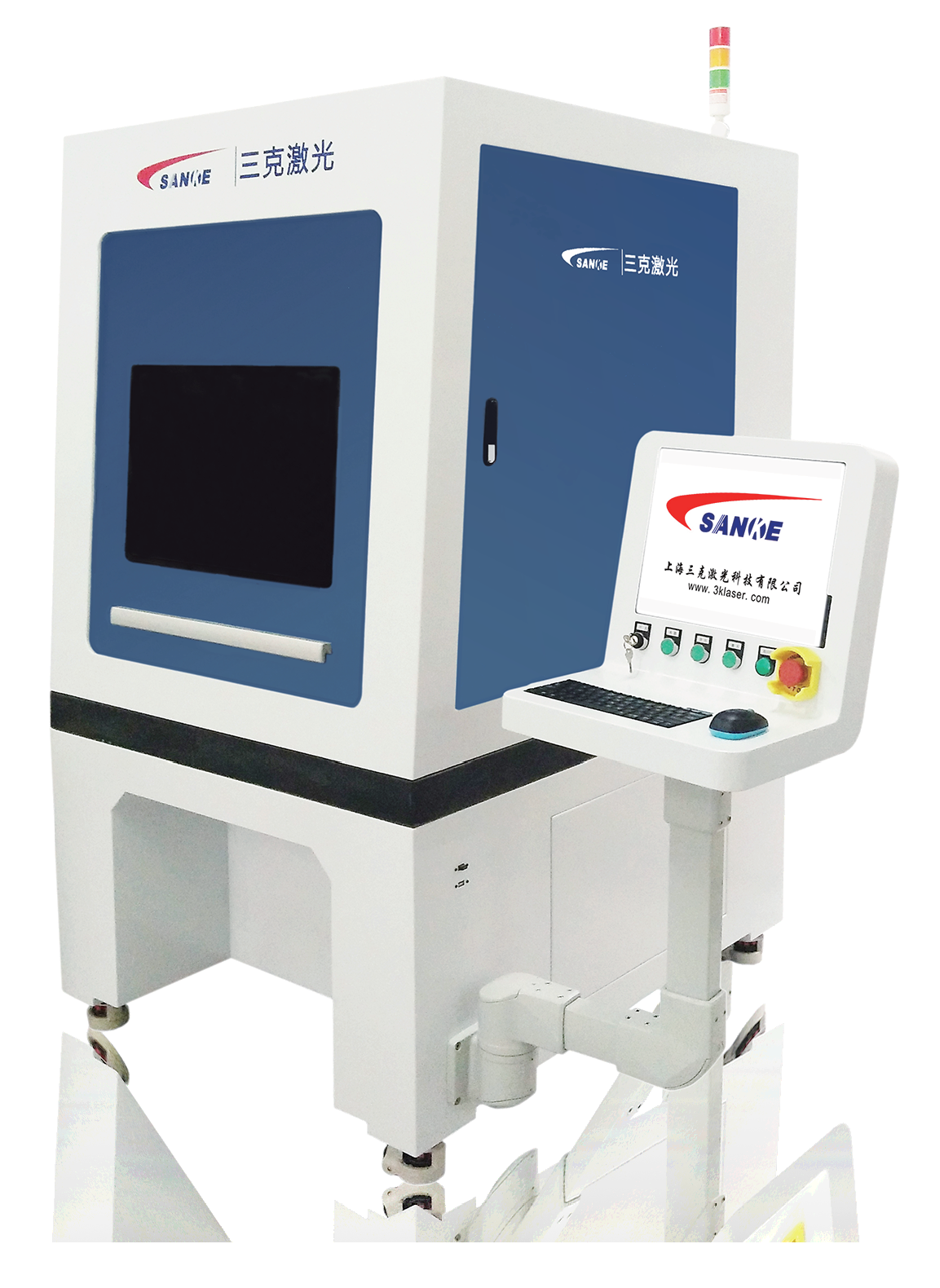
laser cutting and engraving machine-0

Professional Laser Cutting and Engraving Machines - Precision Manufacturing Solutions

Get a Free Quote

Our representative will contact you soon.
Email
Name
Company Name
Message
0/1000

laser cutting and engraving machine

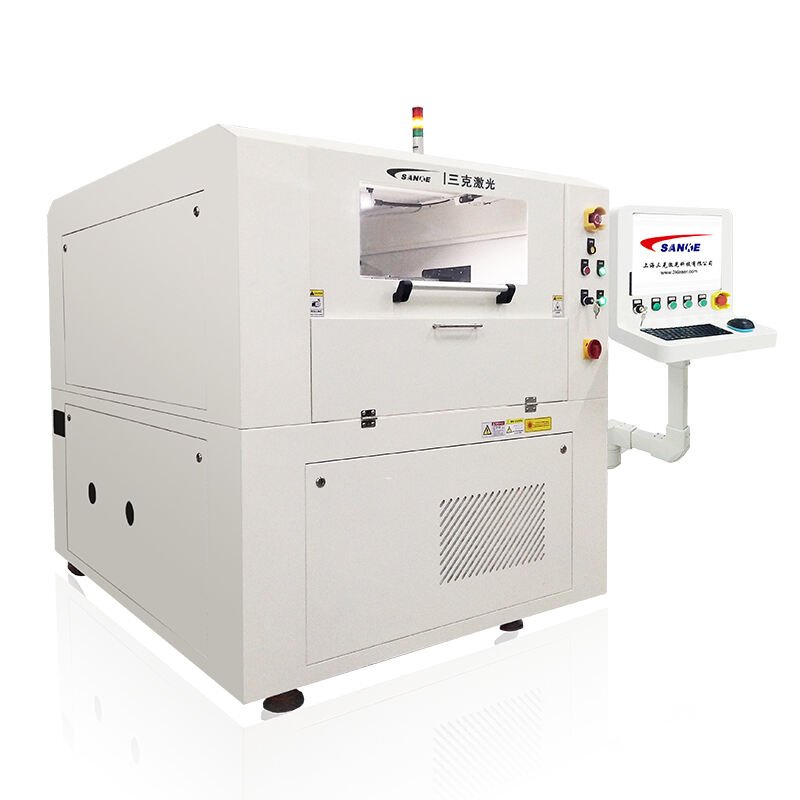
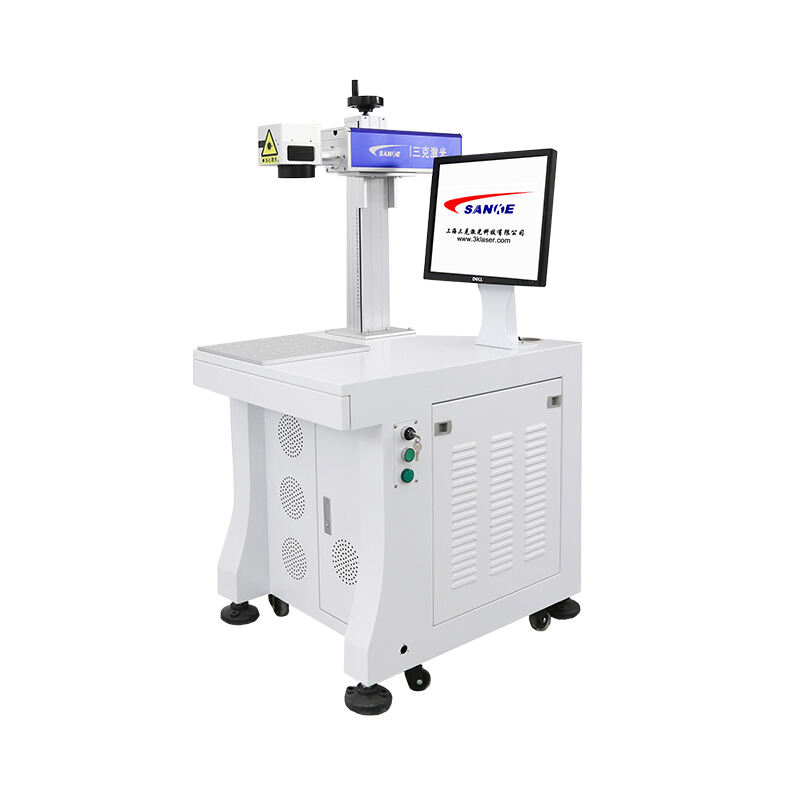
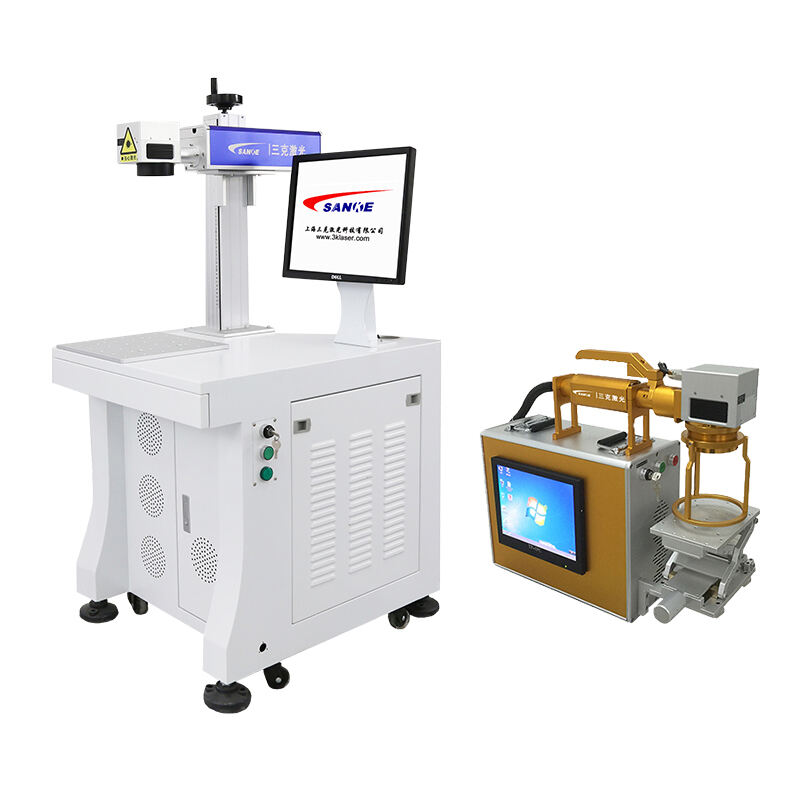
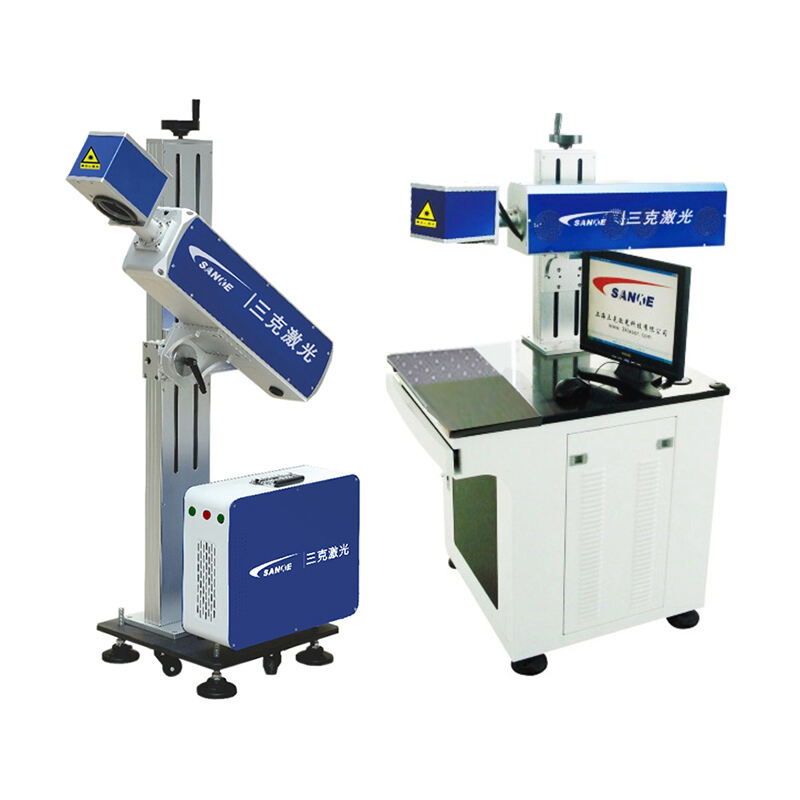
A laser cutting and engraving machine represents a sophisticated manufacturing tool that utilizes concentrated laser beams to precisely cut, engrave, and mark various materials with exceptional accuracy. These versatile machines operate by generating high-powered laser light through optical amplification, which is then focused into an extremely narrow beam capable of melting, burning, or vaporizing material along predetermined paths. The core technology relies on computer numerical control (CNC) systems that translate digital designs into precise movements, ensuring consistent and repeatable results across multiple projects. Modern laser cutting and engraving machines incorporate advanced fiber, CO2, or diode laser sources, each optimized for specific material types and thicknesses. The main functions encompass material cutting through complete penetration, surface engraving for decorative or functional purposes, and marking for identification or branding applications. These machines excel at processing diverse materials including metals, plastics, wood, leather, fabric, glass, ceramics, and composite materials. Technological features include automated focus adjustment, real-time power modulation, integrated safety systems with protective enclosures, and sophisticated software interfaces that support various file formats. Many units feature rotary attachments for cylindrical objects, automatic material feeding systems, and advanced ventilation solutions for fume extraction. The precision capabilities typically range from 0.1mm to 0.001mm depending on the specific model and application requirements. Speed optimization algorithms ensure efficient processing while maintaining quality standards. Professional-grade laser cutting and engraving machines often incorporate vision systems for automatic alignment and job positioning. Applications span numerous industries including aerospace component fabrication, automotive parts manufacturing, architectural model creation, jewelry design, signage production, textile processing, electronics manufacturing, medical device creation, and artistic projects. Educational institutions utilize these machines for STEM programs and vocational training. Small businesses leverage laser cutting and engraving machines for custom product development, prototype creation, and personalized merchandise production, making this technology accessible across various market segments.

New Product Recommendations

Laser cutting and engraving machines deliver unparalleled precision that traditional manufacturing methods cannot match, enabling users to create intricate designs with tolerances as tight as 0.05mm. This precision translates directly into reduced material waste, as operators can nest parts efficiently and minimize scrap generation. The non-contact processing nature eliminates tool wear costs and reduces maintenance requirements compared to mechanical cutting systems. Users achieve consistent quality across production runs because laser cutting and engraving machines maintain stable parameters throughout operation. The technology processes multiple material types without requiring tool changes, significantly reducing setup times and increasing productivity. Operators can switch between cutting thick steel plates and engraving delicate acrylic sheets using the same machine configuration. The computer-controlled operation ensures repeatability, allowing businesses to fulfill large orders with identical specifications. Speed advantages become apparent when comparing laser cutting and engraving machines to conventional methods, particularly for complex geometries that would require multiple manufacturing steps. The heat-affected zone remains minimal, preserving material properties and reducing post-processing requirements. Edge quality from laser cutting often eliminates secondary finishing operations, reducing overall production costs. Flexibility represents another significant advantage, as these machines accommodate design changes instantly through software modifications without physical tooling adjustments. Small batch production becomes economically viable because laser cutting and engraving machines require no expensive dies or fixtures. The automated operation reduces labor costs while improving safety by minimizing operator exposure to hazardous processes. Integration capabilities allow these machines to connect with existing manufacturing execution systems, enabling Industry 4.0 implementations. Environmental benefits include reduced chemical usage compared to traditional etching processes and lower energy consumption per part in many applications. The compact footprint of modern laser cutting and engraving machines maximizes floor space utilization in manufacturing facilities. Customization capabilities enable businesses to offer personalized products without significant cost penalties. Quality documentation becomes automatic through integrated monitoring systems that track cutting parameters and maintain production records. The learning curve for operators remains relatively short, allowing businesses to train staff efficiently and reduce dependency on specialized technicians.

Tips And Tricks

How does the maintenance of precision laser cutting machines impact their longevity and performance, and what are some tips for effective machine maintenance?

19

Nov

How does the maintenance of precision laser cutting machines impact their longevity and performance, and what are some tips for effective machine maintenance?

Precision laser cutting machines represent a significant investment for manufacturing facilities, and their proper maintenance directly correlates with operational efficiency, production quality, and equipment lifespan. These sophisticated systems re...
View More
How Does Scanlab Technology Improve the Precision of Laser Applications?

19

Nov

How Does Scanlab Technology Improve the Precision of Laser Applications?

Scanlab Technology represents a revolutionary advancement in laser precision control systems, fundamentally transforming how industries approach laser-based manufacturing and processing applications. This cutting-edge technology has established new b...
View More
2025 Guide: How to Choose the Perfect Beam Expander

21

Oct

2025 Guide: How to Choose the Perfect Beam Expander

Understanding the Critical Role of Beam Expanders in Modern Optics The optical industry continues to evolve at a rapid pace, and beam expanders have become indispensable components in numerous applications, from laser processing to advanced microscop...
View More
Top 5 Beam Expander Applications in Laser Systems

21

Oct

Top 5 Beam Expander Applications in Laser Systems

Understanding the Revolutionary Impact of Laser Beam Expansion Technology Modern laser systems have transformed numerous industries, from medical procedures to advanced manufacturing. At the heart of many of these applications lies a crucial optical ...
View More

Get a Free Quote

Our representative will contact you soon.
Email
Name
Company Name
Message
0/1000

laser cutting and engraving machine

Advanced Precision Control Technology

Advanced Precision Control Technology

The precision control technology integrated into modern laser cutting and engraving machines represents a revolutionary advancement in manufacturing accuracy and consistency. This sophisticated system combines high-resolution servo motors with advanced feedback mechanisms to achieve positioning accuracy within micrometers, ensuring that every cut and engraving meets exact specifications. The closed-loop control system continuously monitors beam position, power output, and material response, making real-time adjustments to maintain optimal cutting conditions throughout the entire process. This technology proves invaluable for industries requiring tight tolerances, such as aerospace components where dimensional accuracy directly impacts safety and performance. The precision control extends beyond simple positioning to include dynamic power modulation, where the laser cutting and engraving machine automatically adjusts energy output based on material thickness variations, ensuring consistent cut quality across uneven surfaces. Advanced algorithms compensate for thermal expansion effects in both the machine structure and workpiece, maintaining accuracy even during extended production runs. The system incorporates predictive maintenance features that monitor component wear patterns and alert operators before precision degradation occurs. Vision systems integrated with the precision control technology enable automatic workpiece alignment and quality verification, reducing setup times while eliminating human error in part positioning. The benefits for potential customers include dramatically reduced rejection rates, improved production efficiency, and the ability to manufacture complex parts that were previously impossible with conventional methods. This precision enables businesses to expand into high-value markets where quality requirements exceed traditional manufacturing capabilities. The technology also supports lights-out manufacturing operations, where laser cutting and engraving machines operate unattended for extended periods while maintaining consistent quality standards. Investment in precision control technology pays dividends through reduced rework costs, improved customer satisfaction, and enhanced competitiveness in demanding market segments where precision directly correlates with product value and reliability.
Versatile Material Processing Capabilities

Versatile Material Processing Capabilities

The versatile material processing capabilities of contemporary laser cutting and engraving machines eliminate traditional manufacturing limitations by enabling users to work with an extraordinary range of materials using a single platform. This versatility stems from sophisticated laser source technologies that can be optimized for different material absorption characteristics and processing requirements. Fiber lasers excel at processing reflective metals including stainless steel, aluminum, brass, and copper, delivering clean cuts with minimal heat distortion. CO2 lasers demonstrate superior performance on organic materials such as wood, acrylic, leather, fabric, and paper, while also handling certain metals and ceramics effectively. The ability to process materials ranging from 0.1mm thin films to 25mm thick plates using the same laser cutting and engraving machine provides unprecedented flexibility for manufacturers and fabricators. This capability proves particularly valuable for businesses serving multiple markets or those looking to diversify their product offerings without substantial capital investment in additional equipment. The material versatility extends to exotic alloys, composites, and advanced materials used in aerospace, medical, and electronics applications. Processing parameters can be quickly adjusted through software interfaces, allowing operators to switch between materials without mechanical modifications or tool changes. This flexibility enables rapid prototyping where designers can test concepts across different materials to optimize performance characteristics. The laser cutting and engraving machine maintains consistent quality standards regardless of material type, ensuring that businesses can confidently quote projects involving unfamiliar materials. Advanced material databases built into modern control systems provide optimized settings for hundreds of material types, reducing setup times and eliminating guesswork in parameter selection. The versatility also extends to processing techniques, where the same machine can perform cutting, engraving, marking, welding, and surface texturing operations. This multi-functionality eliminates the need for separate equipment investments while reducing floor space requirements and operational complexity. For potential customers, this versatility translates into expanded business opportunities, reduced inventory requirements for multiple machine types, and improved return on investment through higher equipment utilization rates across diverse applications.
Smart Automation and Industry Integration

Smart Automation and Industry Integration

Smart automation features integrated into advanced laser cutting and engraving machines transform traditional manufacturing workflows by incorporating artificial intelligence, machine learning, and IoT connectivity to optimize performance and streamline operations. These intelligent systems continuously analyze cutting parameters, material responses, and environmental conditions to automatically adjust processing variables for optimal results. The automation extends beyond basic operation to include predictive maintenance scheduling, where integrated sensors monitor component conditions and predict failure points before they impact production. This proactive approach minimizes unplanned downtime while optimizing maintenance costs through condition-based servicing rather than arbitrary time-based schedules. The laser cutting and engraving machine connects seamlessly with enterprise resource planning systems, manufacturing execution systems, and quality management databases to provide real-time production data and enable data-driven decision making. Automated job scheduling algorithms optimize production sequences based on material usage, setup requirements, and delivery deadlines, maximizing throughput while minimizing waste. The integration capabilities include automatic material identification through barcode scanning or RFID technology, ensuring correct processing parameters are applied without operator intervention. Remote monitoring functionality allows managers to track production progress, machine status, and quality metrics from any location using mobile applications or web interfaces. The smart automation includes automatic nesting optimization that arranges parts on material sheets to minimize waste while considering grain direction, material properties, and cutting sequence efficiency. Quality control integration enables automatic dimensional verification using integrated measurement systems, with real-time feedback to process controls for continuous improvement. For businesses investing in laser cutting and engraving machines with smart automation, the benefits include reduced labor costs through lights-out manufacturing capabilities, improved consistency through elimination of human variability, and enhanced competitiveness through faster response times to customer requirements. The system learning capabilities mean that performance continuously improves over time as the machine accumulates experience with different materials, designs, and operating conditions. This intelligence enables smaller businesses to compete effectively with larger manufacturers by leveraging automation to overcome labor and expertise limitations while maintaining high quality standards and efficient operations.

Get a Free Quote

Our representative will contact you soon.
Email
Name
Company Name
Message
0/1000