laser cleaning solutions
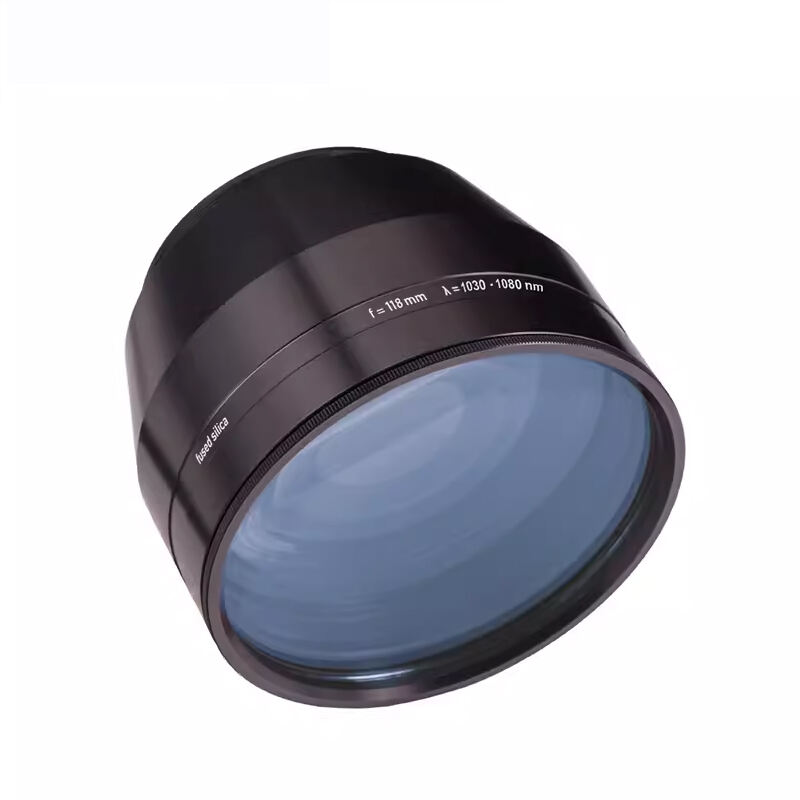
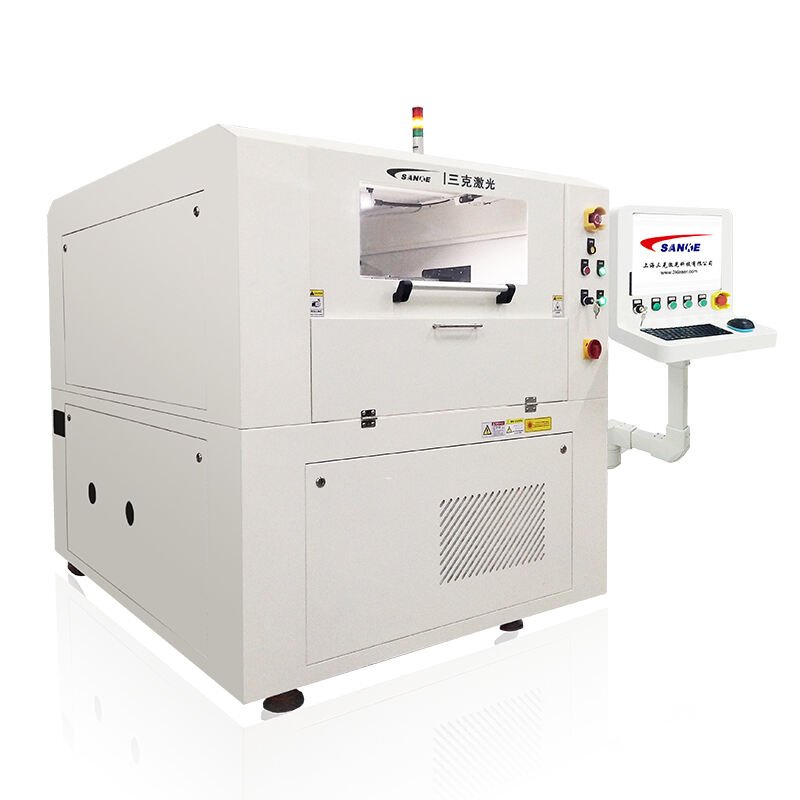
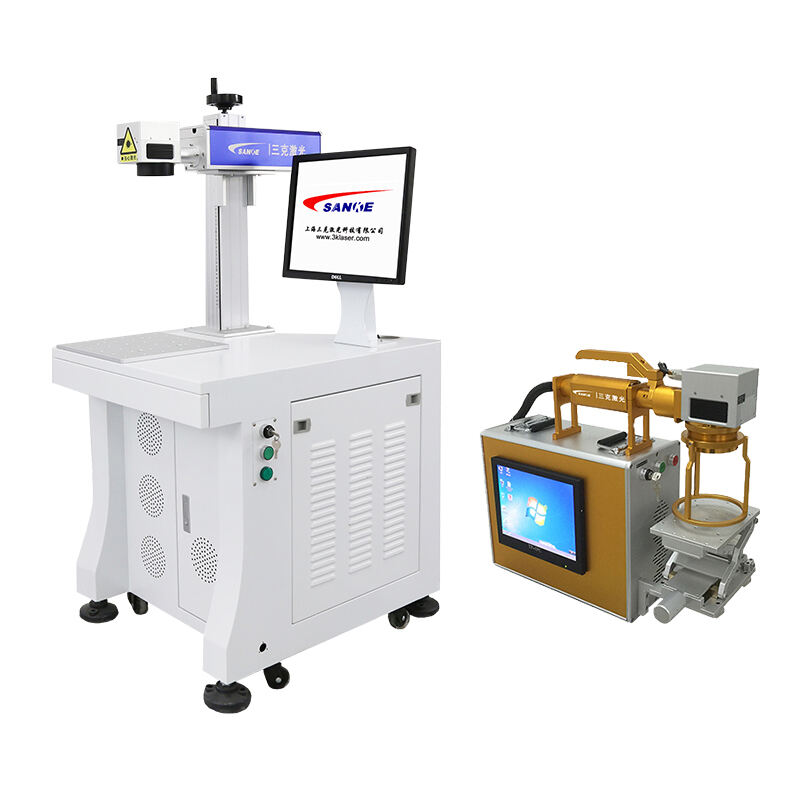
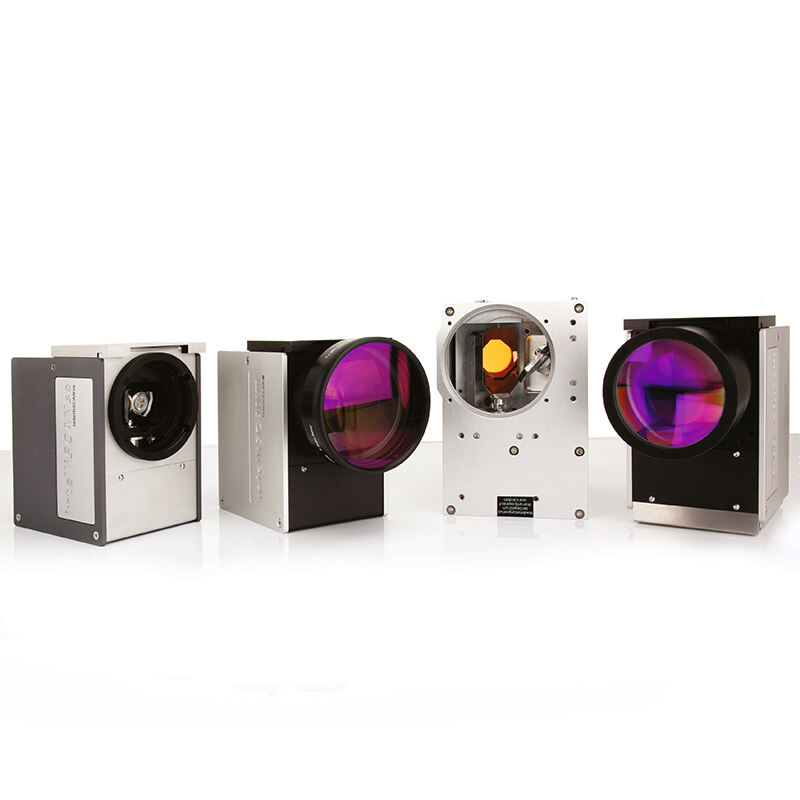
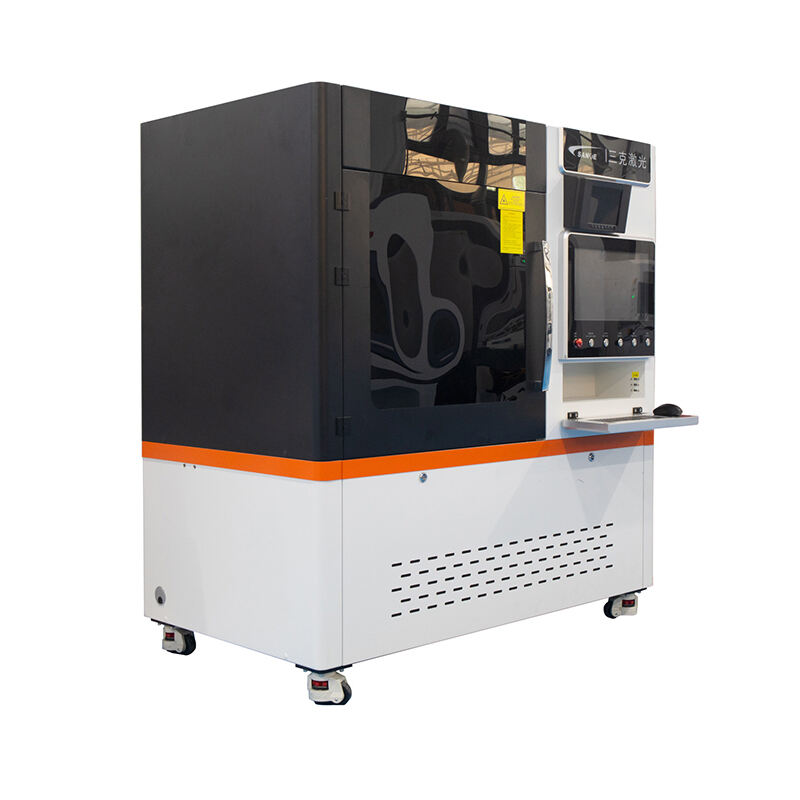
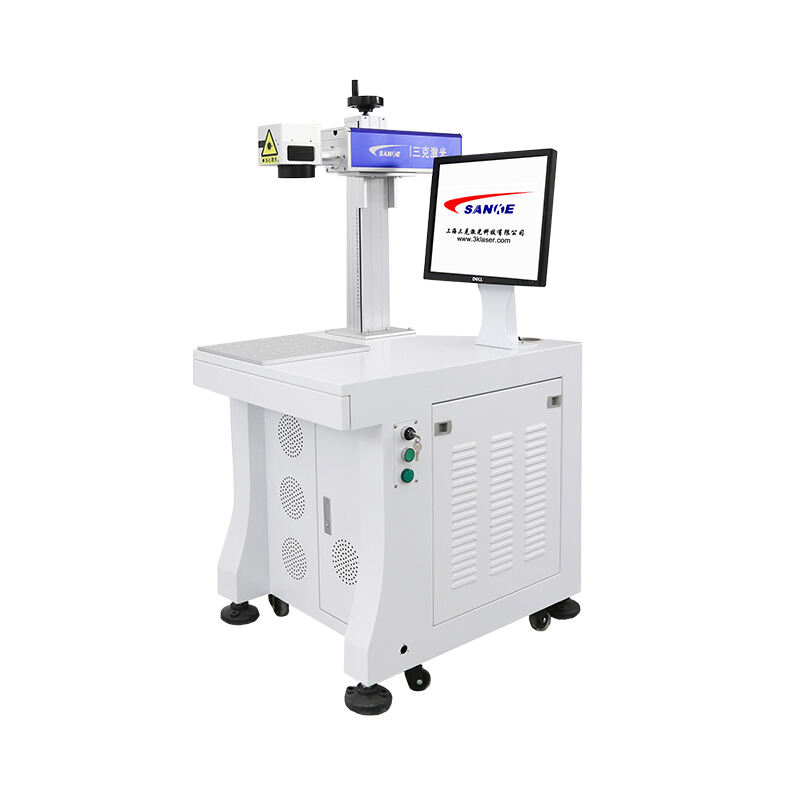
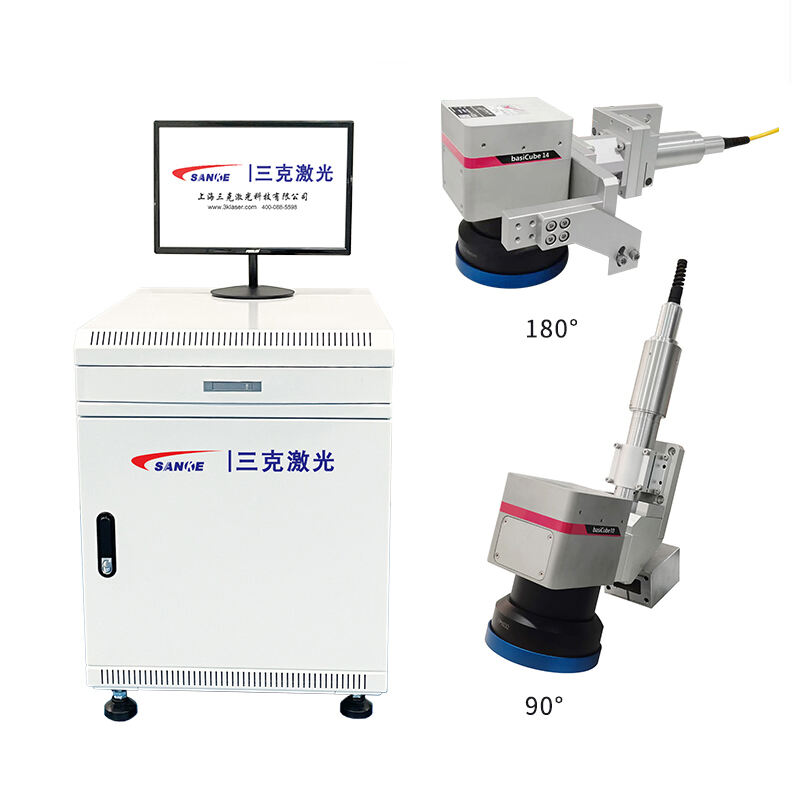
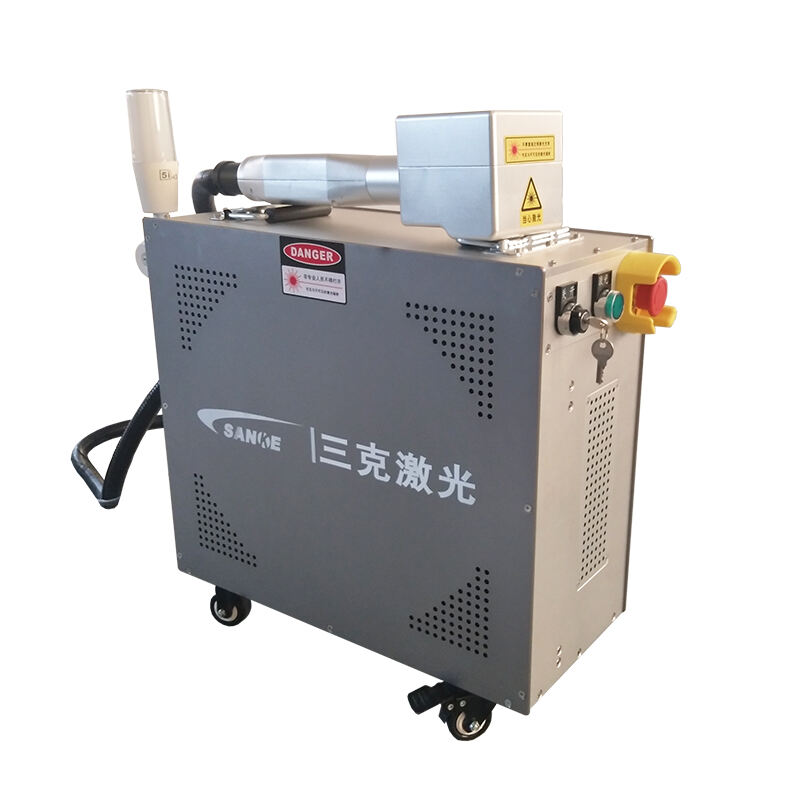
Laser cleaning solutions represent a revolutionary advancement in industrial surface preparation and maintenance technology. These sophisticated systems utilize high-intensity laser beams to remove contaminants, coatings, rust, paint, and other unwanted materials from various surfaces without causing damage to the underlying substrate. The technology operates on the principle of selective absorption, where the laser energy is absorbed by the contaminant layer while leaving the base material intact. Modern laser cleaning solutions incorporate precise control systems that allow operators to adjust parameters such as pulse frequency, energy density, and scanning speed to optimize cleaning performance for specific applications. The equipment typically consists of a laser source, beam delivery system, control unit, and safety enclosures designed to protect operators and surrounding environments. These systems can handle diverse materials including metals, composites, ceramics, stone, and concrete surfaces. The process generates minimal waste compared to traditional cleaning methods, as removed materials are either vaporized or converted into small particles that can be easily collected. Advanced laser cleaning solutions feature automated scanning capabilities, real-time monitoring systems, and programmable cleaning patterns that ensure consistent results across large surface areas. The technology supports both handheld portable units for localized cleaning tasks and fully automated robotic systems for high-volume industrial applications. Integration capabilities allow these solutions to connect with existing production lines and quality control systems. Temperature monitoring and feedback mechanisms prevent overheating and ensure optimal cleaning conditions throughout the process. The versatility of laser cleaning solutions extends to various surface textures and geometries, including complex shapes, internal cavities, and delicate components that would be difficult or impossible to clean using conventional methods.
 EN
EN
 AR
AR
 FR
FR
 DE
DE
 JA
JA
 KO
KO
 RU
RU
 ES
ES