 EN
 AR
 FR
 DE
 JA
 KO
 RU
 ES


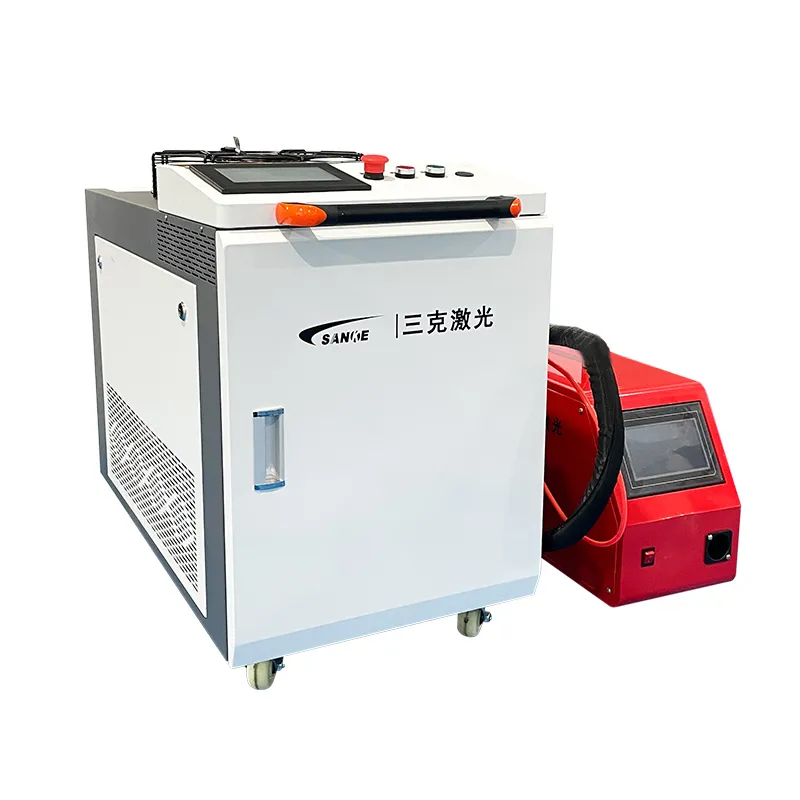
Identifying the top 10 Laser Micromachining Equipment manufacturers is not a universal ranking exercise. A manufacturer that suits high-volume electronics may not fit a medical-device prototype line, so buyers need to compare documented capabilities against their own materials, tolerances, and production plans. This guide explains how to build a defensible shortlist and assess each candidate.
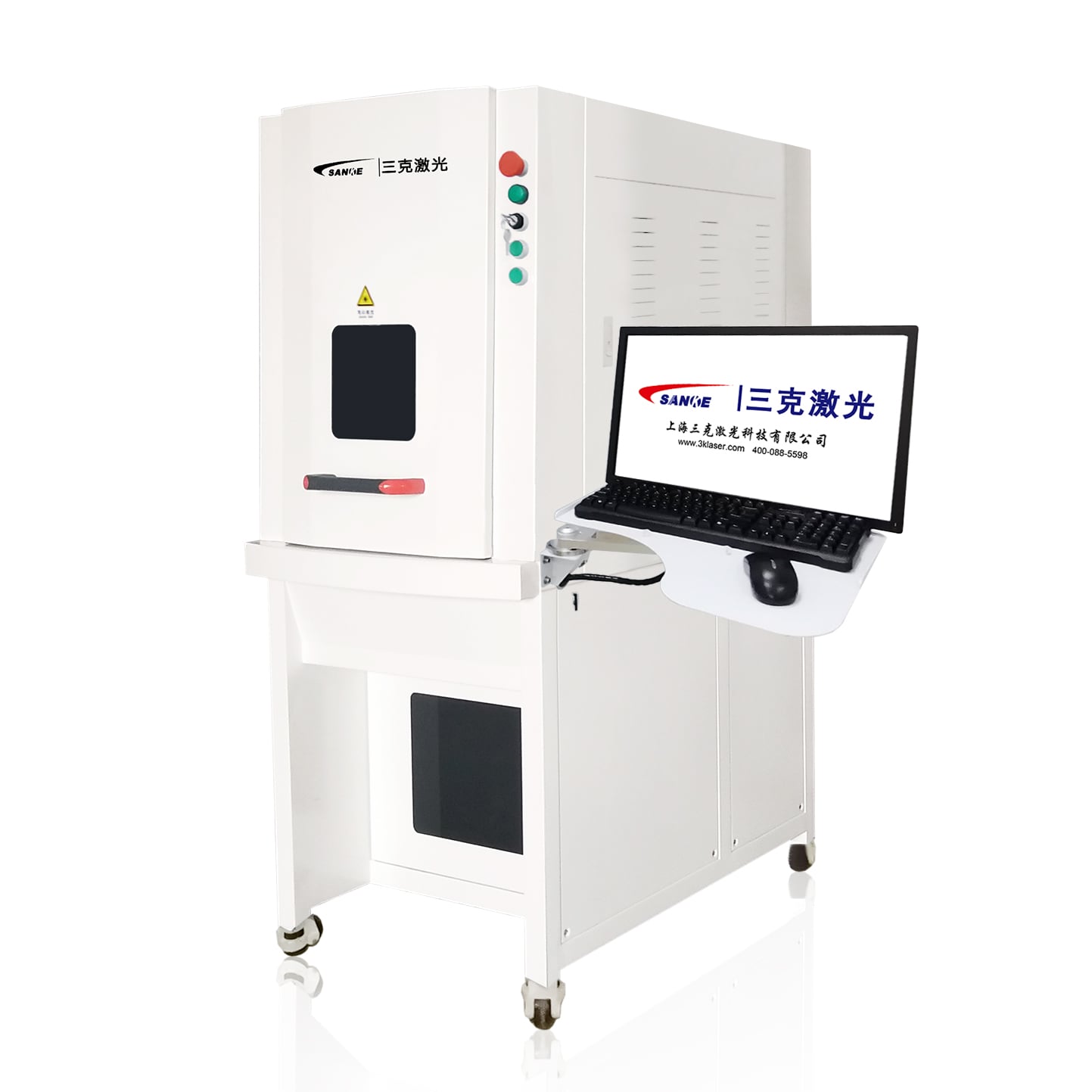
Because application requirements vary, the useful question is which ten manufacturers merit evaluation for a defined job, not who holds an unsupported global position. Comparing Laser Micromachining Equipment by process evidence, engineering depth, and service readiness helps procurement teams separate a plausible fit from a polished brochure. The sections below turn that comparison into a practical review.
Build a credible manufacturer shortlist
Define the application before comparing capabilities
Start with the part, not a machine specification. Record substrate composition, thickness, feature dimensions, edge quality, allowable heat effects, and expected annual volume. These details determine whether Laser Micromachining Equipment must prioritize drilling, cutting, ablation, or surface structuring, and they give every prospective manufacturer the same basis for discussion.
Include real production constraints in the request. A candidate may show a precise feature on a thin coupon, while your line needs repeatability across a larger panel or varied batches. Ask each manufacturer to process representative material and explain how its Laser Micromachining Equipment would manage focus, fixturing, debris, and part handling under those conditions.
A shortlist of ten should include manufacturers with evidence relevant to your application, rather than ten names gathered from search visibility alone. Review whether the company has demonstrated the required wavelength, pulse behavior, motion control, and process monitoring. For Laser Micromachining Equipment, these capabilities affect whether the proposed setup can make the feature consistently, not merely whether a laser is installed.
Compare process evidence, not headline specifications
Published power and positioning figures are useful screening information, but they do not prove finished-part quality. Request sample results, measurement methods, and test conditions. Strong candidates can describe how Laser Micromachining Equipment produces the requested geometry and what inspection confirms it, including how results change with material variation or longer operating cycles.
Ask for trials using your own parts or a technically representative sample. Record cycle time alongside burrs, taper, heat-affected regions, residue, and dimensional consistency. A manufacturer should distinguish demonstrated outcomes from targets still requiring development. That distinction is essential when comparing Laser Micromachining Equipment proposals that use different optical, motion, or process-control approaches.
The ten candidates need not have identical machine architectures. Instead, compare whether each proposed configuration addresses the same acceptance criteria and identifies its limitations plainly. If Laser Micromachining Equipment relies on special fixturing, operator adjustments, or material preparation, include those dependencies in the evaluation rather than treating them as minor details outside the quoted system.
Match the machine to production needs
Assess process flexibility and integration
A prototype cell and a continuous production line place different demands on a system. Examine loading method, enclosure access, recipe control, extraction, and interfaces with upstream or downstream equipment. The best-fit Laser Micromachining Equipment for a development lab may emphasize quick changeovers, while production use may call for stable recipes and clear fault recovery.
Discuss the expected product mix and change frequency with each manufacturer. Determine whether optics, motion paths, and workholding can accommodate foreseeable variants without extensive redesign. When comparing Laser Micromachining Equipment, request an explanation of setup time and changeover steps, not just a statement that the platform is flexible. Practical integration depends on the complete workflow.
Automation should match the operating model rather than add complexity for its own sake. Clarify how parts enter and leave the work area, how operators verify recipes, and how the system handles interrupted cycles. A manufacturer proposing Laser Micromachining Equipment for an automated cell should define required utilities, safety interfaces, data exchange, and responsibility for commissioning.
Check quality controls and lifecycle support
Quality assurance starts with a shared definition of acceptable output. Agree on measurement methods, sampling plans, and documentation before a machine trial. Ask how Laser Micromachining Equipment detects process drift, records recipes, and supports traceability where required. Do not assume that software features replace independent inspection or validation on the customer's materials.
Lifecycle readiness matters because installation is only one stage of ownership. Ask about training, preventive maintenance, calibration, spare-part planning, and technical escalation. For Laser Micromachining Equipment, also establish who can diagnose optical, motion, and process issues and what information operators should capture before requesting assistance. Clear arrangements reduce uncertainty during routine production interruptions.
Review the operating costs that are relevant to your process, including consumables, service, utilities, and planned maintenance. Ask manufacturers to identify assumptions behind their estimates and separate confirmed costs from projections. A thorough Laser Micromachining Equipment comparison considers the resources needed to sustain output, not just the purchase price or an isolated cycle-time demonstration.
Validate the final manufacturer decision
Use a consistent technical review
Apply the same evaluation record to all ten shortlisted manufacturers. Capture application fit, trial conditions, measured quality, throughput assumptions, integration scope, service terms, and unresolved risks. This makes differences visible and prevents a persuasive demonstration from outweighing relevant evidence. Keep Laser Micromachining Equipment claims tied to the specific configuration and material actually tested.
Bring engineering, operations, quality, maintenance, and procurement into the review. Each group sees a different source of risk: engineering considers process limits, operators assess usability, and maintenance examines access and support. Their combined view helps determine whether Laser Micromachining Equipment will work beyond a controlled demonstration and fit the site's staffing and production routines.
Before issuing a purchase decision, document acceptance criteria and the steps needed to verify them at installation. Confirm responsibilities for site preparation, training, safety review, and process qualification. If the proposed Laser Micromachining Equipment has not yet demonstrated a critical feature, treat that item as an open validation requirement rather than an assumed capability.
Choose a shortlist winner by documented fit
A defensible final choice may not be the manufacturer with the broadest catalog or the largest specification. It is the candidate whose tested process, integration plan, support model, and commercial assumptions align with the application. In some cases, a focused trial of Laser Micromachining Equipment can clarify whether a particular drilling approach meets the part's requirements.
Keep the shortlist logic transparent, especially when stakeholders favor different trade-offs. Record why a manufacturer advanced, what evidence supports the decision, and which risks remain. This makes the selection repeatable if volume, materials, or product design changes later. It also helps ensure the chosen Laser Micromachining Equipment remains appropriate as production needs develop.
FAQ
How should buyers evaluate Laser Micromachining Equipment manufacturers?
Define the material, feature, quality limits, and production conditions first. Then compare representative trials, measured results, integration scope, service readiness, and lifecycle assumptions. Evaluate Laser Micromachining Equipment against shared acceptance criteria so every manufacturer is reviewed on equivalent evidence.
Should the top ten be treated as a fixed ranking?
No. The relevant manufacturers depend on process, industry, region, and required support. Treat ten as a manageable shortlist for structured due diligence, not a universal ranking. The strongest Laser Micromachining Equipment fit is the one supported by application-specific proof and a workable ownership plan.
What should a machine trial prove?
A trial should show that representative material can meet agreed geometry, edge, and repeatability requirements under recorded conditions. It should also expose setup needs and likely integration issues. Use the results to confirm whether Laser Micromachining Equipment can meet acceptance criteria, and identify any remaining validation work before purchase.