laser engraving marking machine
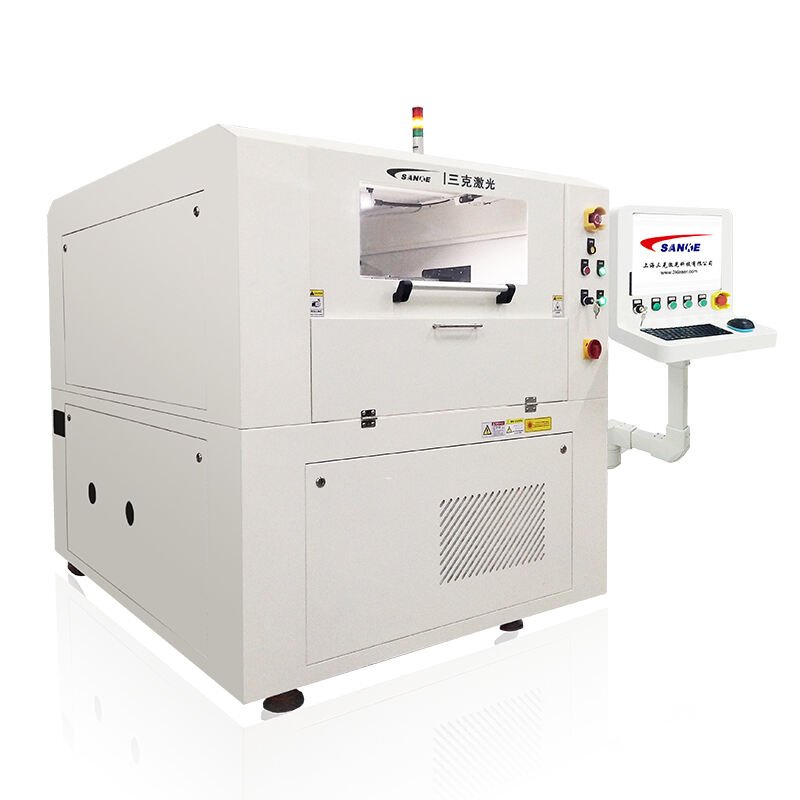
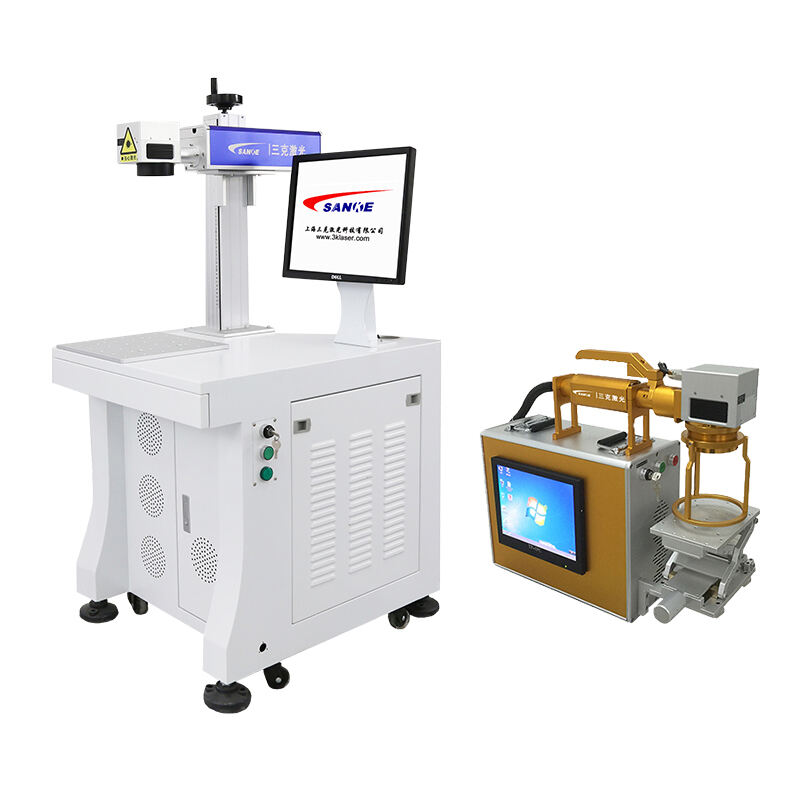
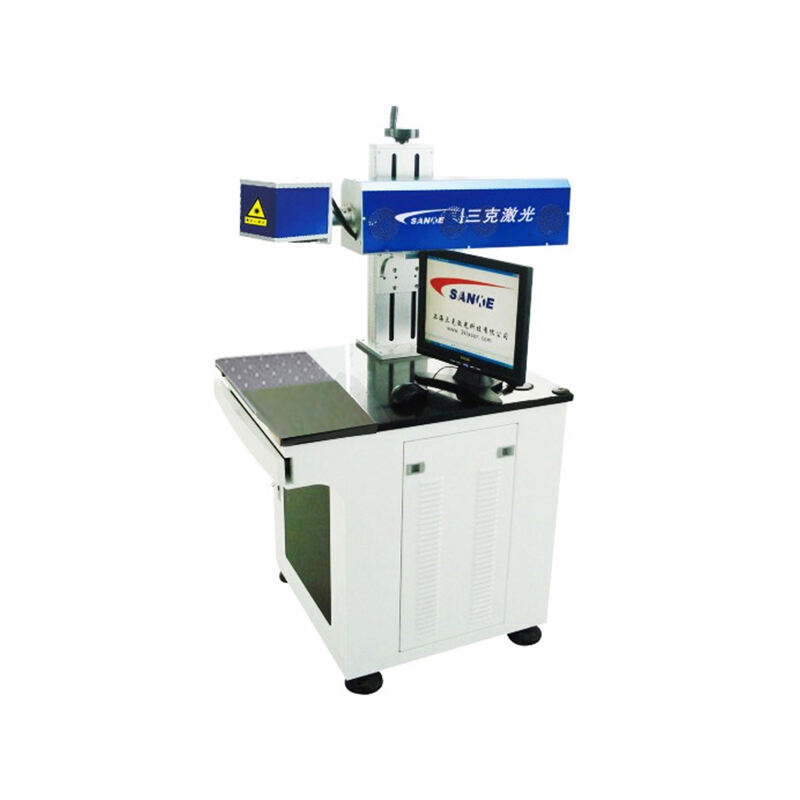
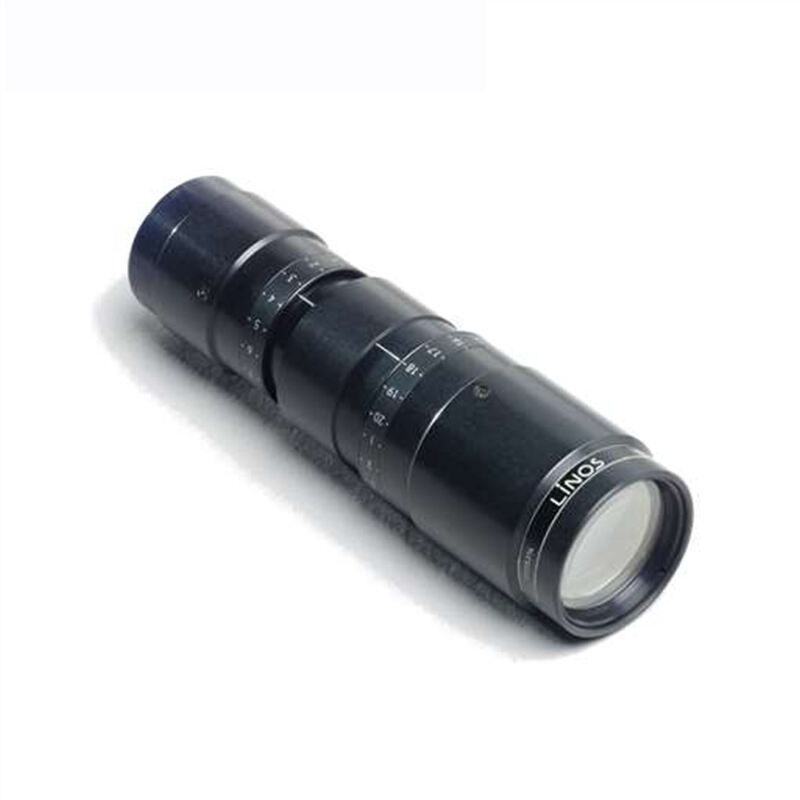
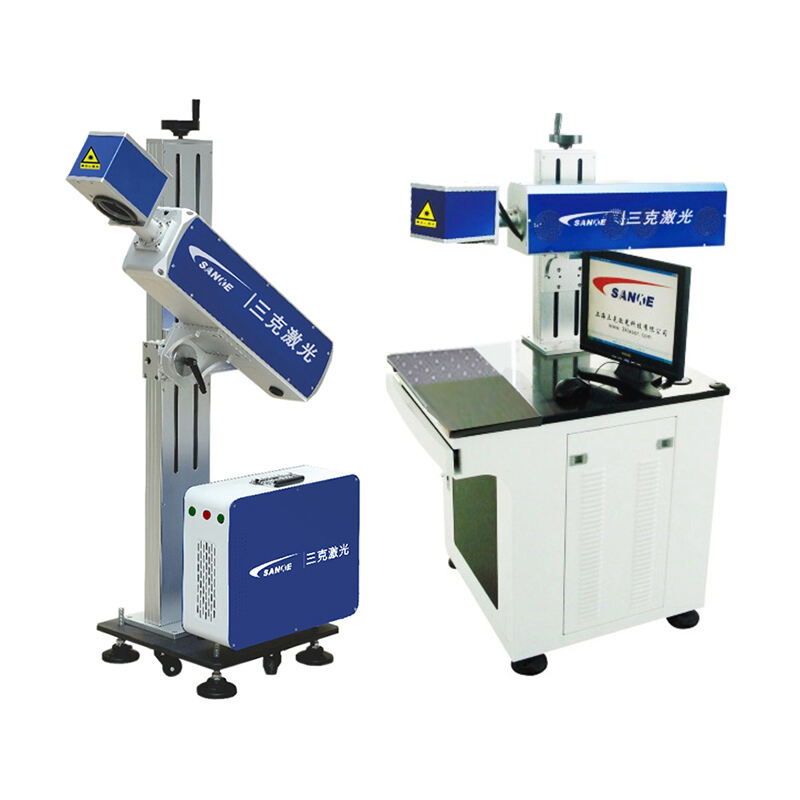
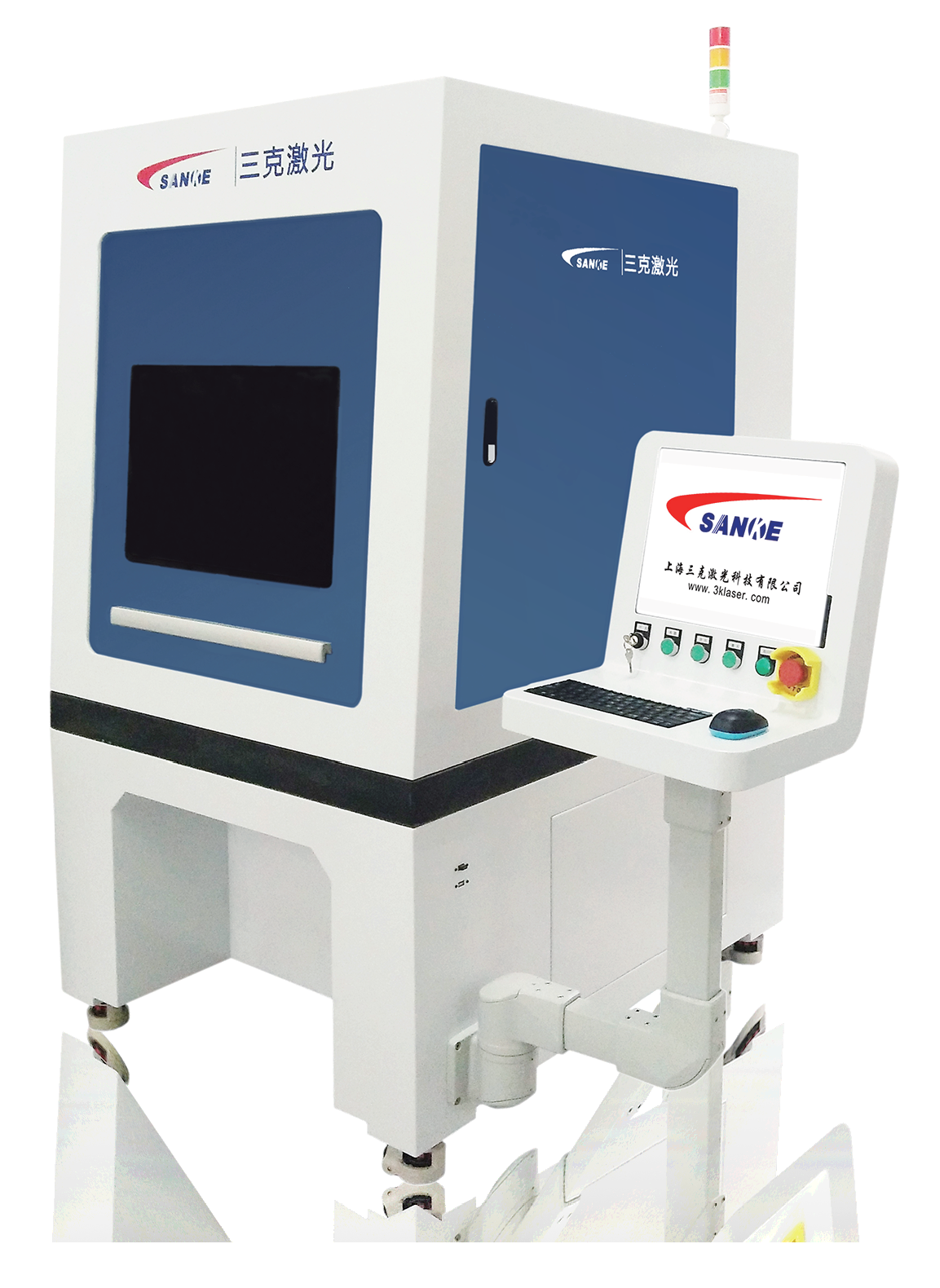
A laser engraving marking machine represents cutting-edge technology that utilizes focused laser beams to create permanent markings, engravings, and etchings on various materials. This sophisticated equipment operates by directing a concentrated laser beam onto the material surface, causing controlled material removal or color changes to produce precise marks, text, logos, barcodes, and intricate designs. The laser engraving marking machine combines advanced optics, computer-controlled positioning systems, and specialized software to deliver exceptional accuracy and consistency in marking applications. The core functionality revolves around the interaction between the laser beam and the target material, where the intense heat generated by the focused light causes localized vaporization, melting, or chemical alteration of the surface. Modern laser engraving marking machines incorporate various laser types, including fiber lasers, CO2 lasers, and diode lasers, each optimized for specific material types and applications. The technological architecture includes precision galvanometer scanning systems that enable rapid beam positioning, ensuring high-speed operation while maintaining exceptional quality standards. These machines feature computerized control interfaces that allow operators to import designs, adjust parameters, and monitor the marking process in real-time. The versatility of laser engraving marking machine technology extends across numerous materials including metals, plastics, ceramics, glass, wood, leather, and composites. Industrial applications span automotive part identification, medical device marking, electronics component labeling, jewelry personalization, and promotional product customization. The non-contact nature of laser marking eliminates tool wear and mechanical stress on components, making it ideal for delicate or precision-manufactured items. Advanced laser engraving marking machine models incorporate features such as rotary attachments for cylindrical objects, automatic focus adjustment systems, and integrated vision systems for precise positioning. The technology enables permanent marking that resists fading, scratching, or chemical degradation, ensuring long-term traceability and identification capabilities essential in modern manufacturing and quality control processes.
 EN
EN
 AR
AR
 FR
FR
 DE
DE
 JA
JA
 KO
KO
 RU
RU
 ES
ES