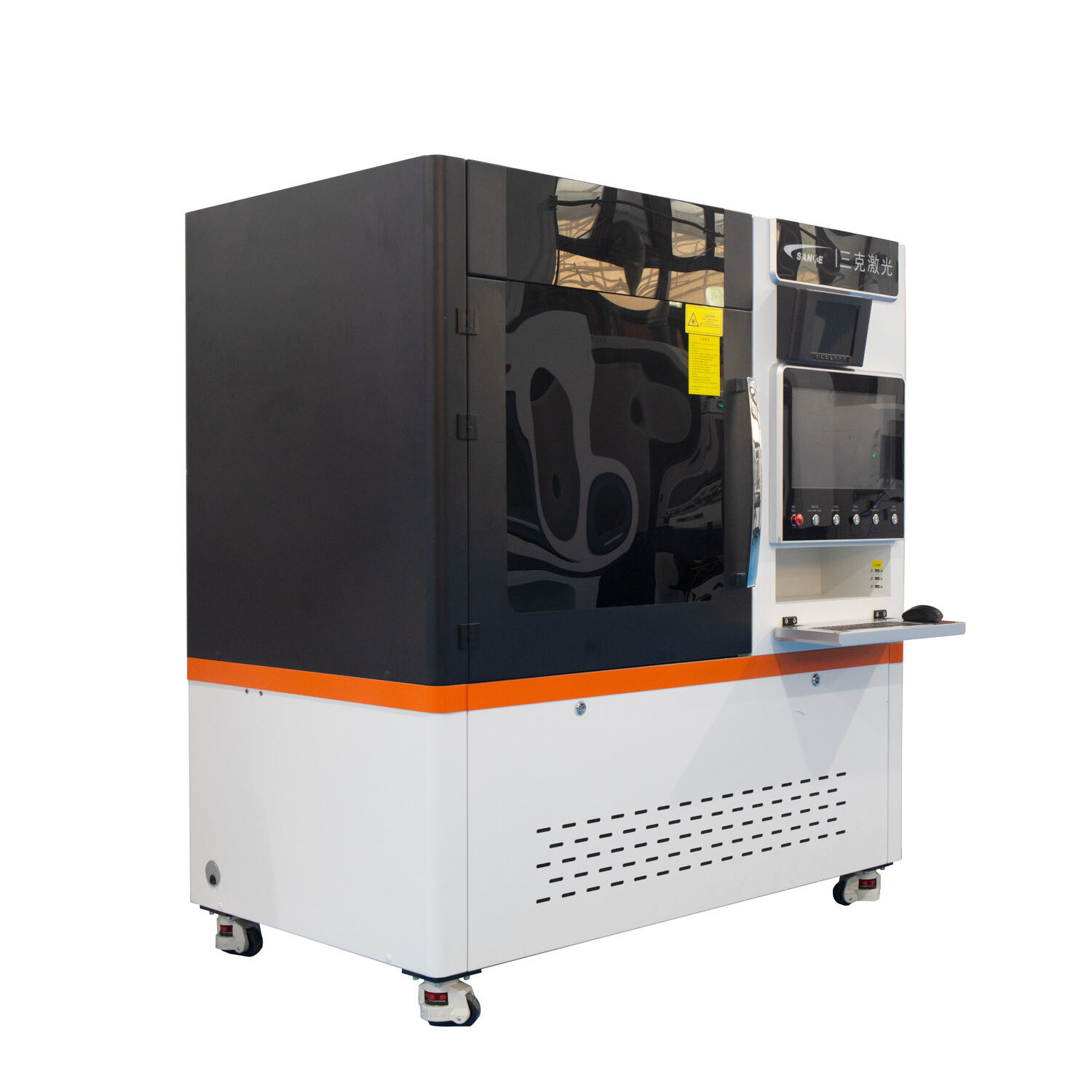
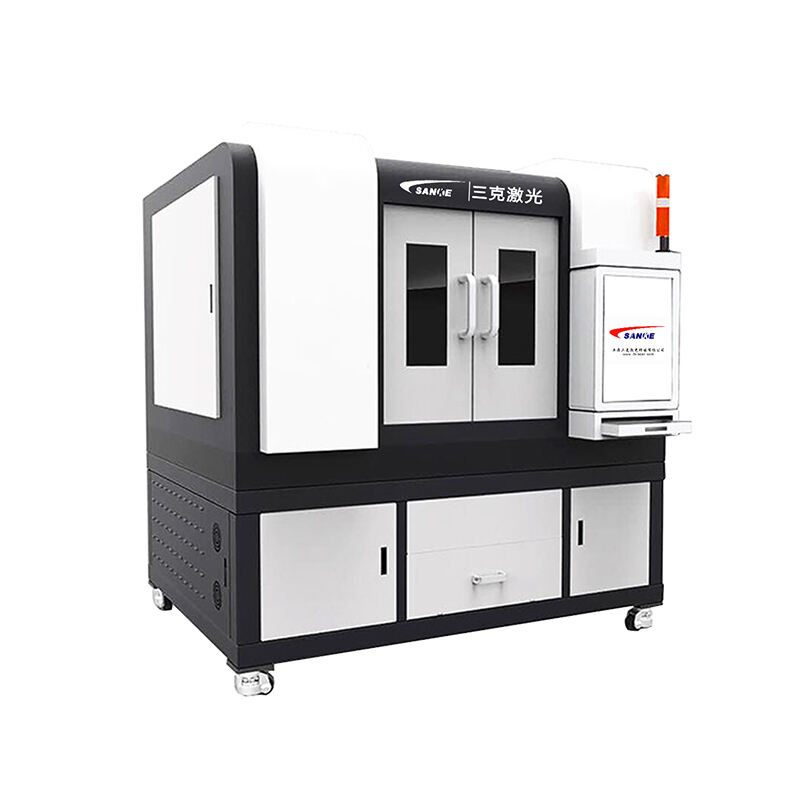
top 10 laser cutting materials for your projects-0

Get a Free Quote

Our representative will contact you soon.
Email
Name
Company Name
Message
0/1000

Top 10 Laser Cutting Materials for Your Projects

2026-02-28 10:57:00
Top 10 Laser Cutting Materials for Your Projects

The manufacturing landscape has been revolutionized by precision fabrication technologies, with laser cutting emerging as one of the most versatile and efficient methods for processing various materials. This advanced manufacturing technique uses focused laser beams to cut through materials with exceptional accuracy, creating clean edges and intricate designs that traditional cutting methods simply cannot achieve. Understanding which materials work best with laser cutting technology is crucial for manufacturers, designers, and engineers looking to optimize their production processes and deliver superior results.

laser cutting

Essential Metal Materials for Laser Cutting Operations

Stainless Steel Applications and Benefits

Stainless steel stands as one of the most popular materials for laser cutting applications due to its excellent properties and widespread industrial use. This corrosion-resistant alloy responds exceptionally well to laser cutting processes, producing smooth, oxidation-free edges that require minimal post-processing. The material's inherent strength and durability make it ideal for applications ranging from architectural components to precision medical devices. When processed through laser cutting, stainless steel maintains its structural integrity while allowing for intricate geometric patterns and tight tolerances.

The versatility of stainless steel in laser cutting extends across multiple grades, with 304 and 316 being the most commonly processed varieties. These grades offer different levels of corrosion resistance and mechanical properties, making them suitable for diverse applications. Food processing equipment, automotive components, and decorative architectural elements all benefit from the precision that laser cutting provides when working with stainless steel. The clean cutting process eliminates the need for secondary finishing operations in many cases, reducing overall production time and costs.

Carbon Steel Processing Characteristics

Carbon steel represents another fundamental material in the laser cutting industry, offering excellent machinability and cost-effectiveness for high-volume production runs. This material responds predictably to laser cutting parameters, allowing operators to achieve consistent results across large batches. The material's relatively low carbon content in mild steel grades makes it particularly suitable for laser cutting, as it minimizes the risk of hardening zones and cracking along cut edges. Industrial fabricators frequently choose carbon steel for structural components, brackets, and enclosures where strength and affordability are primary considerations.

The laser cutting process for carbon steel requires careful attention to assist gas selection and cutting parameters to achieve optimal results. Oxygen assist gas typically produces the fastest cutting speeds and best edge quality, while nitrogen assist gas creates oxide-free edges suitable for applications requiring immediate welding or painting. Understanding these process variables enables manufacturers to select the appropriate laser cutting approach based on their specific application requirements and quality standards.

Advanced Non-Metal Materials for Precision Cutting

Acrylic and Plastic Polymer Solutions

Acrylic materials have become increasingly popular in laser cutting applications due to their optical clarity, weather resistance, and excellent edge quality when properly processed. The laser cutting process produces flame-polished edges on acrylic that often eliminate the need for secondary polishing operations. This characteristic makes acrylic ideal for display applications, architectural glazing, and decorative elements where visual appeal is paramount. The material's thermoplastic nature allows for clean vaporization during the cutting process, resulting in precise dimensions and minimal heat-affected zones.

Various plastic polymers beyond acrylic also demonstrate excellent compatibility with laser cutting technology. Materials such as polycarbonate, polyethylene, and polypropylene each offer unique properties that benefit from precision laser processing. These materials find applications in packaging, automotive trim, electronic enclosures, and medical device components. The key to successful laser cutting of plastic materials lies in selecting appropriate laser parameters that prevent melting or burning while maintaining dimensional accuracy and edge quality.

Wood and Natural Material Processing

Wood materials present unique opportunities and challenges in laser cutting applications, with different species and treatments affecting processing requirements and final results. Hardwoods like maple and oak typically produce excellent cut quality with minimal charring when proper ventilation and laser parameters are employed. Softwoods such as pine and poplar cut easily but may require different parameter settings to prevent excessive burning or resin buildup. The laser cutting process can create intricate patterns and joinery features in wood that would be extremely difficult or impossible to achieve with traditional woodworking tools.

Engineered wood products like plywood and MDF also respond well to laser cutting, though the adhesives and treatments used in their manufacture can affect processing requirements. These materials often find applications in architectural models, furniture components, and decorative panels where precision and repeatability are essential. The ability of laser cutting to process wood materials without physical contact eliminates tool wear and allows for the creation of delicate features that might be damaged by conventional cutting methods.

Specialized Industrial Materials and Applications

Aluminum Alloy Processing Techniques

Aluminum alloys present both opportunities and challenges in laser cutting applications, with their high thermal conductivity and reflectivity requiring specialized processing approaches. Modern fiber laser systems have largely overcome the traditional difficulties associated with cutting aluminum, enabling efficient processing of various alloy grades. The lightweight nature and corrosion resistance of aluminum make it highly desirable for aerospace, automotive, and marine applications where weight reduction and durability are critical factors. Laser cutting allows for the creation of complex geometries in aluminum components while maintaining the material's beneficial properties.

The key to successful aluminum laser cutting lies in proper parameter optimization and assist gas selection. Nitrogen assist gas typically produces the best results for aluminum cutting, preventing oxidation and creating clean, bright edges suitable for welding or anodizing. Beam delivery systems must be carefully maintained when processing aluminum due to the material's reflective properties, which can potentially damage laser components if proper precautions are not taken. Advanced beam delivery systems and real-time monitoring help ensure consistent results when processing aluminum materials.

Composite and Advanced Material Solutions

Composite materials represent a growing segment in laser cutting applications, with carbon fiber, fiberglass, and aramid composites finding increasing use in aerospace, automotive, and sporting goods industries. These materials offer exceptional strength-to-weight ratios but present unique challenges for conventional cutting methods due to their abrasive nature and potential for delamination. Laser cutting provides a solution that minimizes mechanical stress on composite materials while producing clean, sealed edges that resist moisture penetration and delamination.

The laser cutting process for composites requires careful parameter selection to prevent fiber pullout and matrix burning while maintaining dimensional accuracy. Different composite matrices, including epoxy, vinyl ester, and thermoplastic systems, respond differently to laser processing and may require specialized cutting strategies. Advanced laser cutting systems with precise power control and beam shaping capabilities enable manufacturers to optimize processing parameters for specific composite formulations and layup configurations.

Material Selection Guidelines and Best Practices

Thickness Considerations and Limitations

Material thickness represents a critical factor in determining the feasibility and quality of laser cutting operations across all material types. Different laser systems have varying thickness capabilities, with fiber lasers typically excelling at thinner materials while CO2 lasers may handle thicker sections more effectively. Understanding these limitations helps manufacturers select appropriate materials and laser systems for their specific applications. The relationship between material thickness, cutting speed, and edge quality requires careful consideration to optimize production efficiency and part quality.

Thicker materials generally require slower cutting speeds and higher laser power levels, which can affect both productivity and operating costs. Heat input considerations become more critical with increased thickness, as excessive heat can lead to warping, hardening, or poor edge quality. Manufacturers must balance material thickness requirements with production objectives and quality specifications to achieve optimal results in their laser cutting operations.

Surface Finish and Edge Quality Requirements

Surface finish and edge quality requirements vary significantly across different applications and industries, influencing material selection and laser cutting parameter optimization. Some applications require mill-quality edges suitable for immediate welding or assembly, while others may tolerate slightly rougher finishes for cost-sensitive applications. Understanding these requirements helps guide material selection and processing parameter development to meet specific quality standards while maintaining economic viability.

Edge quality in laser cutting depends on numerous factors including material properties, laser parameters, assist gas selection, and machine condition. Materials with consistent composition and minimal alloying elements typically produce better edge quality than those with complex metallurgy or surface treatments. Post-processing requirements should be considered during material selection, as some applications may benefit from materials that require minimal secondary finishing operations.

Industry Applications and Market Trends

Automotive and Transportation Sector

The automotive industry has embraced laser cutting technology for manufacturing lightweight, high-strength components that meet increasingly stringent performance and emissions standards. Advanced high-strength steels, aluminum alloys, and composite materials used in modern vehicle construction benefit significantly from the precision and flexibility offered by laser cutting systems. These materials enable manufacturers to create complex geometries and lightweighting features that improve fuel efficiency while maintaining safety performance.

Electric vehicle production has introduced new material requirements and cutting challenges, with battery housing components, thermal management systems, and lightweight structural elements requiring specialized processing approaches. Laser cutting technology adapts well to these evolving requirements, providing the flexibility to process new materials and geometries as automotive designs continue to evolve. The ability to quickly modify cutting programs and accommodate design changes makes laser cutting particularly valuable in the rapidly changing automotive landscape.

Aerospace and Defense Applications

Aerospace applications demand the highest levels of precision, quality, and material performance, making laser cutting an ideal manufacturing technology for critical components. Titanium alloys, Inconel superalloys, and advanced composites used in aerospace construction require specialized processing techniques that laser cutting systems can provide. The ability to maintain tight tolerances and produce consistent edge quality across production runs makes laser cutting essential for aerospace manufacturing operations.

Defense applications often involve unique material requirements including armor steels, ballistic fabrics, and specialized composites that benefit from laser cutting processing. The precision and repeatability of laser cutting ensure that critical dimensions and features are maintained across production quantities, supporting quality requirements for defense applications. Traceability and process documentation capabilities integrated into modern laser cutting systems support aerospace and defense quality management systems.

Future Developments in Laser Cutting Materials

Emerging Material Technologies

The landscape of laser cutting materials continues to evolve with the development of new alloys, composites, and engineered materials designed for specific applications. Additive manufacturing has introduced new material formulations optimized for 3D printing that may also benefit from laser cutting for post-processing or hybrid manufacturing approaches. These emerging materials often require development of new cutting parameters and processing techniques to achieve optimal results.

Advanced ceramics and ceramic matrix composites represent growing opportunities for laser cutting applications, particularly in high-temperature and wear-resistant applications. These materials present unique processing challenges due to their brittleness and thermal properties, but successful laser cutting techniques continue to be developed for specialized applications. Research into ultrafast laser processing and advanced beam delivery systems may unlock new possibilities for processing previously difficult materials.

Sustainability and Environmental Considerations

Environmental consciousness and sustainability requirements are driving the development of new materials and processing approaches in laser cutting applications. Recyclable materials, bio-based composites, and reduced-emission processing techniques are becoming increasingly important considerations for manufacturers. Laser cutting technology supports sustainability objectives by minimizing material waste, reducing energy consumption compared to alternative cutting methods, and enabling the processing of recycled materials.

Green manufacturing initiatives are encouraging the use of materials with lower environmental impact and processing methods that minimize waste generation. Laser cutting supports these objectives by enabling efficient nesting algorithms, minimal kerf waste, and the ability to process materials without coolants or lubricants that require disposal. The precision of laser cutting also enables lightweighting strategies that reduce material consumption while maintaining performance requirements.

FAQ

What factors determine the best material choice for laser cutting projects

Material selection for laser cutting depends on several key factors including application requirements, thickness limitations, desired edge quality, and production volume considerations. The intended use of the finished parts influences material properties needed such as strength, corrosion resistance, or aesthetic appearance. Laser system capabilities and available processing parameters also affect material suitability, as different laser types excel with specific material categories.

How does material thickness affect laser cutting quality and speed

Thicker materials generally require slower cutting speeds and higher laser power levels to achieve complete penetration and good edge quality. As thickness increases, heat input becomes more critical, potentially affecting the heat-affected zone and dimensional accuracy. Most laser systems have maximum thickness capabilities for different materials, beyond which alternative cutting methods may be more appropriate for achieving desired results.

Which materials provide the best edge quality in laser cutting operations

Materials with consistent composition and minimal alloying elements typically produce the best edge quality in laser cutting operations. Stainless steel, mild carbon steel, and acrylic materials generally yield excellent edge finishes with minimal post-processing requirements. The specific laser parameters, assist gas selection, and machine condition also significantly influence edge quality regardless of material type.

What safety considerations apply when laser cutting different materials

Safety considerations vary significantly depending on the material being processed, with some materials producing toxic fumes, others creating fire hazards, and certain materials requiring special ventilation systems. PVC and other chlorinated plastics should generally be avoided due to toxic gas production, while materials containing heavy metals or other hazardous substances require appropriate safety protocols and waste disposal procedures. Proper ventilation, fume extraction, and personal protective equipment are essential for safe laser cutting operations regardless of material type.